
Beautiful Plants For Your Interior
Beautiful Plants For Your Interior
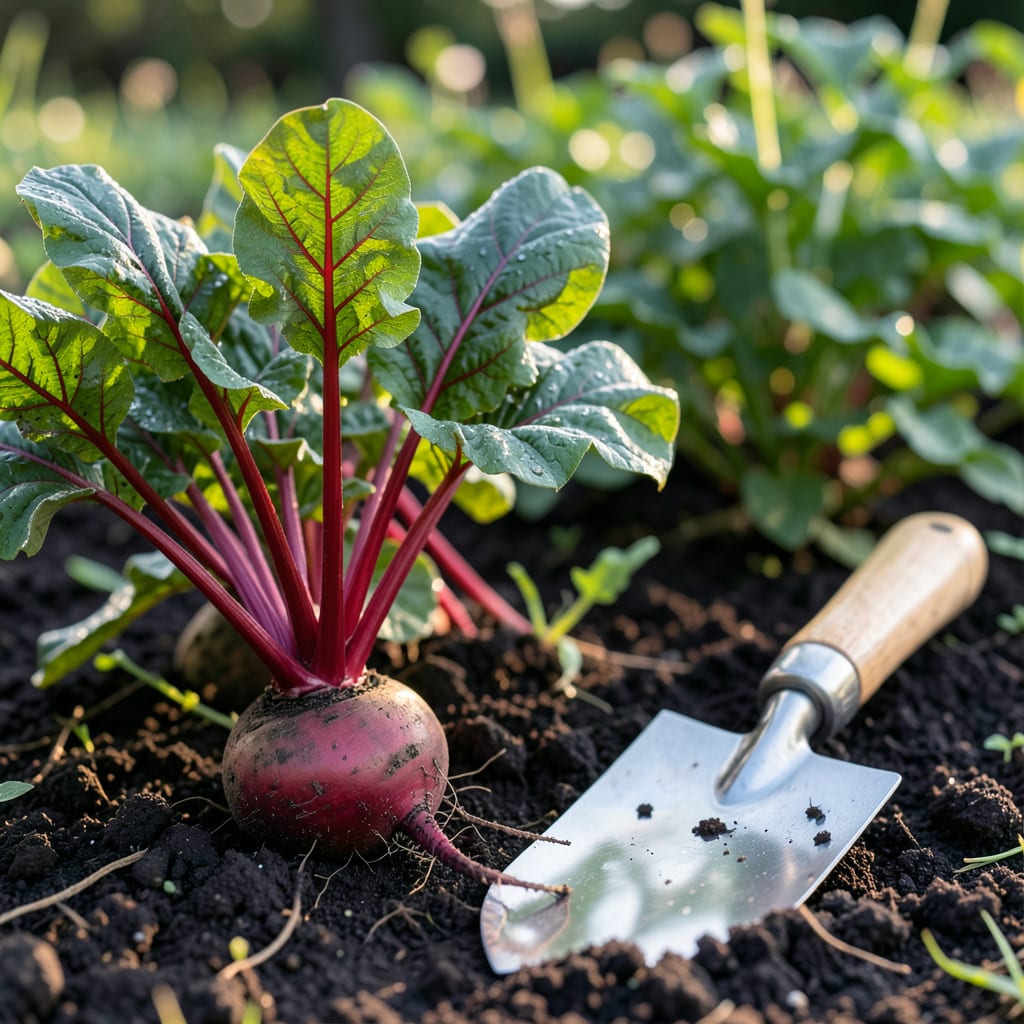
Imagine planting tiny seeds and pulling up plump, sweet 🥬 Beets just 7 weeks later. That’s the beauty of growing this fast-maturing crop in zone 6.
From spring planting to summer harvest, I’ll show you how to time everything perfectly. With the right care, you’ll enjoy a bountiful beet harvest before you know it.

One of the joys of growing beets is how quickly they mature. In my garden, I’ve found that most varieties go from seed to harvest in just 50-70 days, making them perfect for impatient gardeners. The timeline can vary slightly based on soil temperature and variety selection, but the process is straightforward.
Beets are a cool-season crop, so they thrive in spring and fall. I start mine as soon as the soil is workable, usually in March or April. The first sign of progress is germination, which typically occurs within 7-14 days after planting, depending on soil warmth.
| Stage | Timeframe | Key Action |
|---|---|---|
| Germination | 7-14 days | Keep soil moist |
| Leaf Development | 2-3 weeks | Thin to 3-4 inches apart |
| Root Formation | 4-6 weeks | Ensure consistent watering |
| Maturity | 50-70 days | Harvest when 1-3 inches |
After germination, the next phase is leaf development. During this stage, the seedlings will sprout their first true leaves, which usually takes about 2-3 weeks. This is when I thin my plants to 3-4 inches apart to give them room to grow. Crowded beets won’t develop properly, so don’t skip this step.
The root formation stage begins around week 4-6. At this point, the beets start bulking up underground. I
By week 7-8, the beets are usually nearing maturity. I check for readiness by gently brushing away the soil at the base of the plants. When the shoulders of the beets are about 1-3 inches in diameter and protrude slightly above the soil, they’re ready to harvest. The leaves should also be a vibrant green and about 6-8 inches tall.
If you’re growing beets for their greens as well as the roots, you can start harvesting the outer leaves once the plants are about 4-6 inches tall. Just be sure not to remove more than one-third of the foliage at a time, so the plant can continue growing strong.
For a continuous harvest, I sow a new batch of beet seeds every 2-3 weeks. This staggered planting ensures I have a steady supply of fresh beets throughout the growing season. It’s also a great way to experiment with different beet varieties, as some mature faster than others.
Remember, soil temperature plays a big role in how quickly your beets grow. They germinate best in soil temps between 50-85°F, but they’ll grow slower in cooler conditions. If you’re planting in early spring, consider using row covers to warm the soil and speed up germination.
Finally, don’t forget to rotate your crops to avoid soil-borne diseases. I avoid planting beets in the same spot more than once every 3-4 years. This simple practice helps keep the soil healthy and ensures strong growth for future plantings. 🌱
If you want to shave days off your beets seed to harvest time, I’ve got some proven tricks. With the right approach, you can get sweet beets in as little as 50 days. The key is optimizing every stage of growth from the start.
First, I always pre-warm the soil before planting. Beets germinate fastest in soil temps of 70-80°F. I use black plastic mulch or row covers to speed up warming in early spring.
Second, I’m religious about thinning seedlings. Overcrowded beets compete for nutrients and grow slower. I thin mine to 3-4 inches apart as soon as they have their first true leaves.
Consistent watering is another game-changer. Beets need about 1 inch of water per week. I use drip irrigation to keep the soil evenly moist without wetting the leaves, which can lead to disease.
I also swear by mulching my beet beds. A 2-3 inch layer of straw or shredded leaves keeps the soil warm and moist. This means less watering and faster growth for me.
For the fastest harvest, I choose early-maturing varieties. ‘Early Wonder’ and ‘Detroit Dark Red’ are ready in about 50-55 days. These varieties are perfect for gardeners eager to see quick results.
Finally, I avoid over-fertilizing. Too much nitrogen gives you lots of leaves but small roots. I stick to a balanced 5-10-10 fertilizer at planting time, then let the beets do their thing. With these tips, you’ll be pulling up perfect beets in no time 🌱
Even with the best intentions, small errors can slow down your beets seed to harvest time. I’ve learned that overcrowding seedlings is one of the biggest culprits. When beets are too close, they compete for nutrients and water, stunting growth. 🌱
Another common issue is inconsistent watering. Beets need moist but well-draining soil to thrive. If the soil dries out, the roots can become woody and tough. On the flip side, overwatering can lead to rot.
Overcrowding: Thin seedlings to 3-4 inches apart for healthy roots.
Poor Soil: Use loamy, well-draining soil enriched with compost.
Wrong Planting Time: Avoid hot summer months—beets prefer cool weather.
Planting at the wrong time can also delay your harvest. Beets are a cool-season crop, so they grow best in spring or fall. Planting in the heat of summer can cause them to bolt or develop poorly.
Poor soil quality is another factor. Beets need loose, fertile soil to expand properly. If your soil is heavy or compacted, the roots will struggle to grow. I always amend my beds with compost or aged manure before planting.
Lastly, ignoring pests can set back your crop. Keep an eye out for flea beetles and aphids, which love to nibble on beet greens. A simple row cover can work wonders in keeping them at bay. ✂️
‘Early Wonder’ and ‘Detroit Dark Red’ reach maturity in just 50-55 days. These are perfect for quick harvests and cooler seasons. They produce tender roots even in less-than-ideal conditions.
Beets prefer cool weather and may bolt or become woody in heat above 75°F. For summer planting, choose heat-tolerant types and provide afternoon shade. Early morning watering helps too.
Thin when seedlings have their first true leaves, usually at 2-3 weeks. Space them 3-4 inches apart to prevent overcrowding. Use small scissors to avoid disturbing roots.
Small roots often result from overcrowding or poor soil. Ensure plants are spaced properly and soil is loose, fertile, and well-draining. Consistent watering also encourages uniform growth.
