
Beautiful Plants For Your Interior
Beautiful Plants For Your Interior
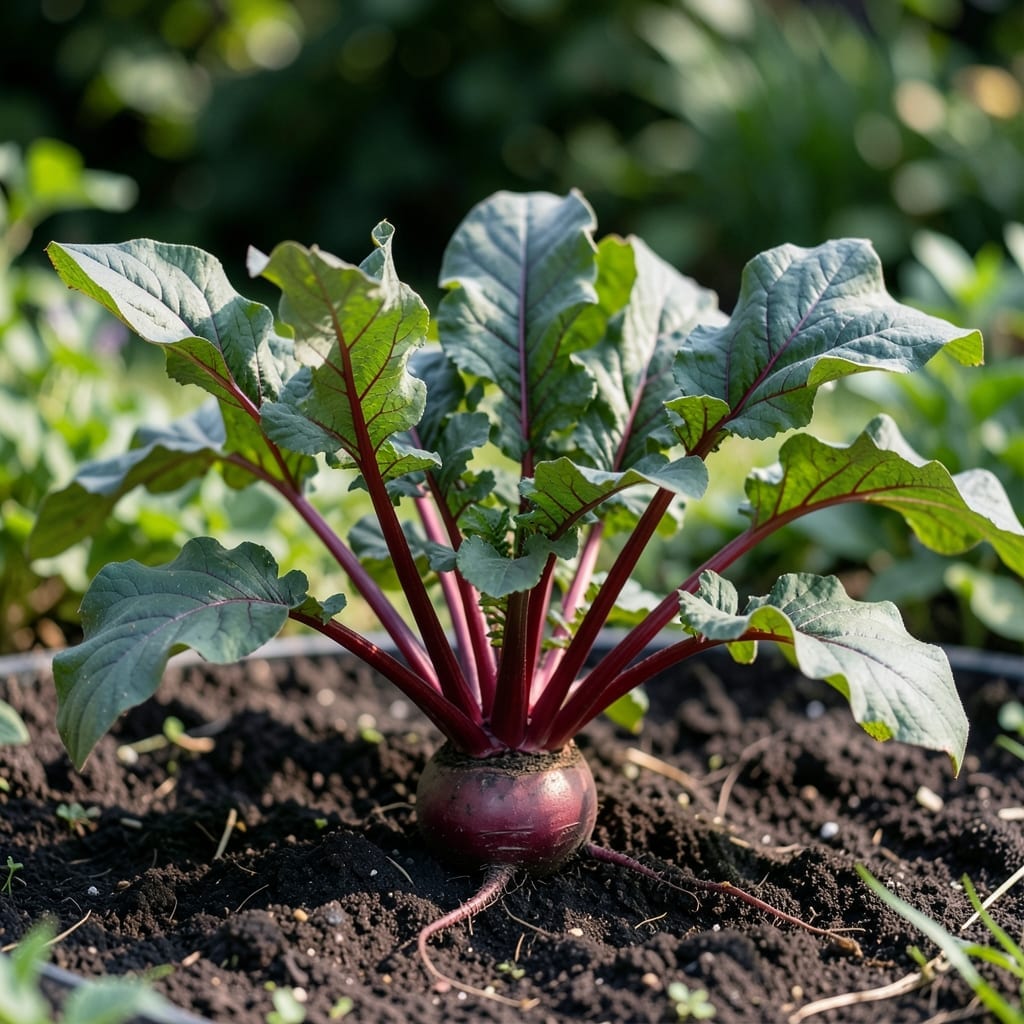
Ever pulled up a beetroot only to find it tough and flavorless? Timing is everything with this spring garden favorite. The 🥔 Beetroot grows best when you understand its full growth cycle.
In zone 6, planting from April to May sets you up for a sweet harvest. But knowing when to pick is the real secret to success. Too early and they’re small, too late and they turn woody.
I’ve learned that watching the calendar isn’t enough. You need to track those critical growth days while keeping an eye on the plant’s visual cues. This approach guarantees perfect results every time.
Discover how to master the beetroot timeline and enjoy tender, flavorful roots all season long. Your garden – and your dinner table – will thank you.
I’ve found that beetroot days to maturity vary significantly by variety, which directly impacts your planting schedule and harvest planning. Most gardeners don’t realize that some beets are ready in as little as 50 days, while others take up to 70 days or more.
Choosing the right variety can mean the difference between a quick early harvest and a longer growing season with larger roots. For example, Detroit Dark Red typically matures in 60 days, making it a reliable choice for most climates.
| Variety | Days to Maturity | Key Traits |
|---|---|---|
| Detroit Dark Red | 60 | Classic deep red, sweet flavor |
| Golden Beet | 55-60 | Mild, earthy taste, no staining |
| Chioggia | 60-65 | Striped flesh, slightly sweeter |
| Babybeat | 50-55 | Small size, tender texture |
| Boltardy | 55-60 | Cold-resistant, reliable |
If you’re after a quick harvest, Babybeat is your best bet, maturing in just 50-55 days. This variety is perfect for succession planting to enjoy a steady supply throughout the season.
For gardeners in cooler climates, Boltardy is an excellent choice. It handles lower temperatures better than most and still produces tender, flavorful roots in about 55-60 days. ☀️
I always recommend Chioggia for those who want something unique. Its striped pink and white flesh adds visual appeal to your garden and plate. Expect it to mature in about 60-65 days.
The Golden Beet is another favorite, offering a milder flavor and no messy staining. It’s ready in 55-60 days, making it a great mid-season option.
Remember, these days to maturity are guidelines. Factors like soil temperature, watering consistency, and sunlight exposure can all influence how quickly your beets grow.
In my experience, soil temperature is one of the biggest variables. Beets prefer 50-85°F for optimal growth. If your soil is too cold, germination and growth will slow down significantly.
To get the most out of your beetroot crop, I suggest staggering your plantings. Sow a new batch every 2-3 weeks to ensure a continuous harvest. This way, you’ll always have fresh, tender beets ready to pull. 🌱
I’ve found that beetroot days to maturity can vary based on growing conditions. With the right care, you can shorten the timeline or extend it for a staggered harvest. It’s all about controlling soil temperature and moisture.
Warming the soil with black plastic mulch can shave off 5-7 days from the typical 60-day maturity. Conversely, planting in cooler soil slows growth, which is useful for succession planting.
One common mistake I see is inconsistent watering. Beets need 1 inch of water weekly, and drought stress can delay maturity by up to 2 weeks. Keep the soil evenly moist but not soggy.
If you want to slow growth for a later harvest, plant in partial shade or during cooler months. This extends the days to maturity naturally. Just be mindful of temperature extremes below 50°F.
For a faster harvest, I recommend starting seeds indoors in peat pots. This gives them a 2-week head start before transplanting. Just be gentle with the roots to avoid shock.
Remember, beetroot varieties like Detroit Dark Red mature in 60 days, while Golden beets may take 5-10 days longer. Always check the seed packet for specifics.
With these adjustments, you’ll have tender, sweet beets right when you want them 🌱