
Beautiful Plants For Your Interior
Beautiful Plants For Your Interior
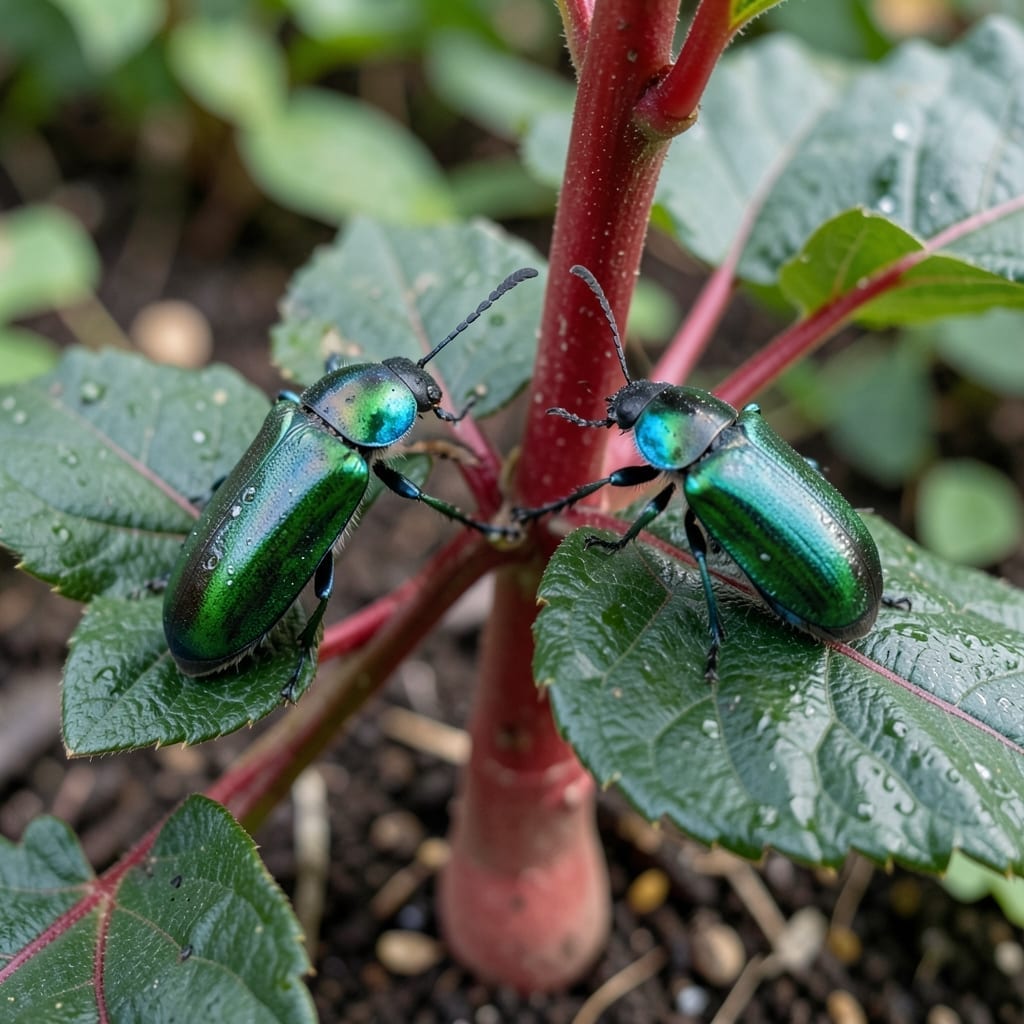
I lost half my basil crop to beetles last summer. 🌱 These pests can strip plants overnight, but natural prevention works better than you’d expect.
Hand-picking adult beetles early morning works surprisingly well. Soap sprays and beneficial nematodes handle the larvae before they mature. The key is catching them early—before they multiply.
Healthy, stress-free plants resist beetle damage better. Regular watering, proper spacing, and organic mulch create an environment that discourages infestations.
Consistent monitoring beats any single treatment. Check leaves daily, especially undersides where eggs hide. Prevention saves more plants than any cure.
Beetles munch on plants for several biological and environmental reasons. Understanding these causes helps gardeners take targeted action to protect their greenery. Here’s why it happens:
Many beetle species, like Japanese beetles or Colorado potato beetles, feed on plants because they provide essential nutrients. Leaves, stems, and roots are rich in carbohydrates, proteins, and moisture, which support their growth, reproduction, and energy needs. For example, adult beetles often consume foliage to fuel egg production, while larvae (grubs) target roots for sustained development.
Certain plants emit volatile organic compounds (VOCs) that act as chemical signals, drawing beetles in. For instance, elms and willows release specific scents that attract elm leaf beetles. Additionally, stressed or damaged plants may produce stronger signals, making them more vulnerable. Over-fertilization or drought can heighten these chemical cues, luring beetles to feed.
Beetles often choose plants not just for food but also as shelter and breeding sites. Dense foliage or mulched soil offers protection from predators and harsh weather. Species like flea beetles lay eggs in the soil near host plants, ensuring their larvae have immediate access to food upon hatching. Gardens with monocultures (single plant species) are especially appealing, as they provide a concentrated food source.
Warm, dry weather can accelerate beetle activity, as many species thrive in these conditions. For example, Japanese beetles are most active in summer, when temperatures range between 85–95°F. Similarly, overwatered or poorly drained soil can attract grubs, which later emerge as adult beetles to feed on nearby plants. Climate patterns and seasonal changes often dictate when and how intensely beetles target vegetation.
Dealing with beetles munching on your plants can be frustrating, but these practical solutions can help you reclaim your garden. Below are targeted fixes for common causes, along with prevention tips to keep your plants safe long-term.
If you spot beetles on your plants, the simplest solution is to remove them by hand. Drop them into a bucket of soapy water to ensure they don’t return. Check your plants daily, especially in the early morning or late evening when beetles are most active.
Prevention tip: 💡 Wear gloves and inspect the undersides of leaves, where beetles often hide.
Many beetles dislike strong scents. Spray a mixture of garlic, onion, or neem oil on and around your plants to deter them. Reapply after rain or every few days for best results.
Prevention tip: 🌿 Plant companion herbs like basil, mint, or marigolds near vulnerable plants—they act as natural beetle repellents.
Protect young or highly susceptible plants with floating row covers or fine mesh netting. This creates a physical barrier that keeps beetles out while still allowing sunlight and water to reach your plants.
Prevention tip: ✨ Secure the edges of the cover with soil or rocks to prevent beetles from crawling underneath.
Encourage natural predators like birds, ladybugs, and parasitic wasps to your garden. Install birdhouses or birdbaths, and avoid using broad-spectrum pesticides that can harm these helpful creatures.
Prevention tip: 🎯 Plant native flowers to attract beneficial insects that prey on beetles and their larvae.
Beetles often overwinter in garden debris. Remove fallen leaves, weeds, and plant residue at the end of the growing season to reduce their hiding spots. Rotate crops yearly to disrupt their life cycle.
Prevention tip: 🧹 Mulch with clean, organic material to suppress weeds and make your garden less inviting to beetles.
Beetles often go for roses, beans, and potatoes. Japanese beetles love roses and grapes, while Colorado potato beetles attack tomatoes and eggplants.
Warm weather speeds up their life cycle. Many species, like Japanese beetles, thrive at 85–95°F, making summer their peak feeding season.
Look for skeletonized leaves or ragged holes. Check undersides for beetles or their eggs. Early morning is the best time to spot them.
Yes, but choose targeted options like neem oil or pyrethrin. Avoid broad-spectrum chemicals that harm beneficial insects. Always follow label instructions.