
Beautiful Plants For Your Interior
Beautiful Plants For Your Interior
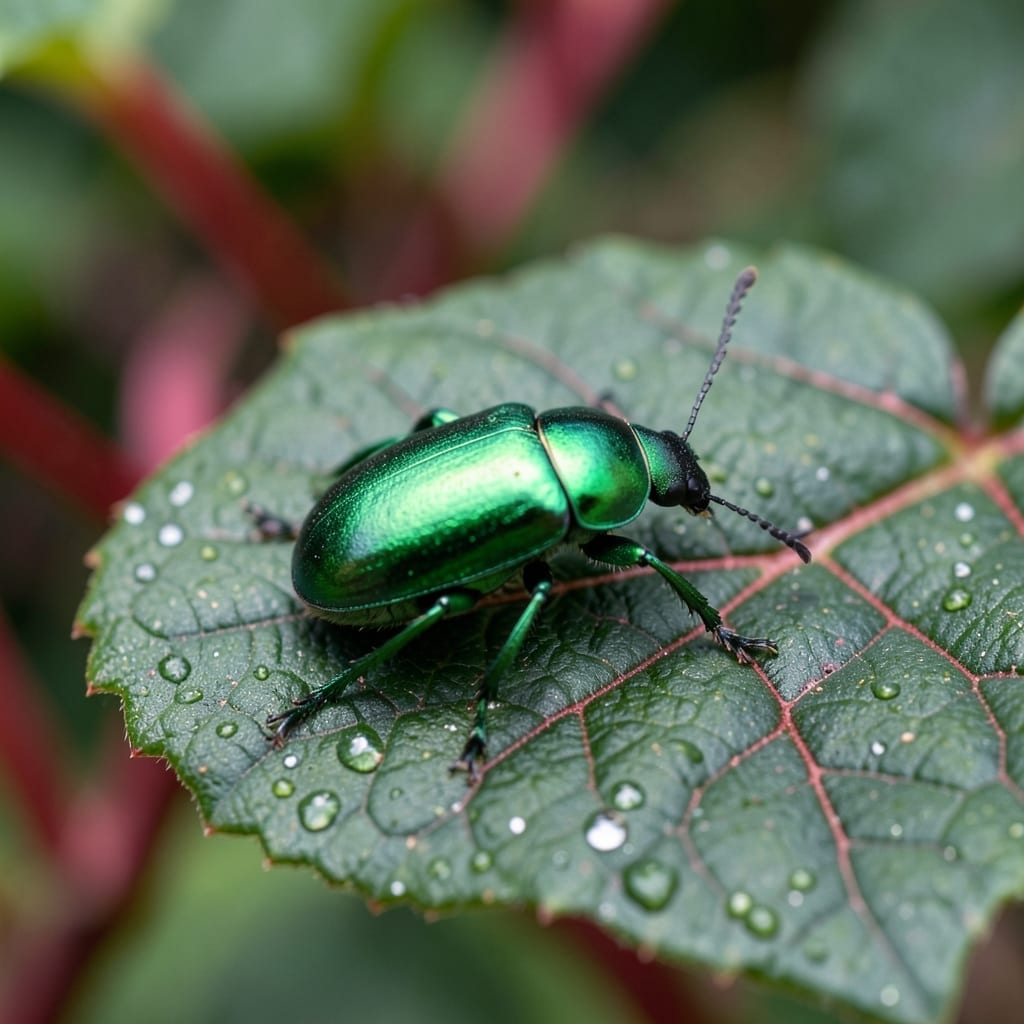
Spotted the first beetle on your roses this morning. I know that sinking feeling—those little pests can turn thriving blooms into chewed-up messes faster than you’d think.
Here’s the thing—most flower-eating beetles aren’t out to destroy your garden. They’re just hungry, and your petals look like a salad bar. The good news: natural removal works better than chemicals and keeps your pollinators safe.
I’ve tested every trick from hand-picking to neem oil. The methods that actually work take 10 minutes a day and use stuff you probably have in your garage already.
Your flowers can bounce back fast. The key is catching them early and staying consistent. Let’s protect those blooms.
Beetles are often drawn to flowers for several biological and ecological reasons. Understanding these causes can help you manage their presence effectively while preserving your garden’s health.
Many beetle species, such as soldier beetles and tiger beetles, feed on nectar and pollen. Flowers provide a rich, energy-dense food source that supports their dietary needs. Beetles with chewing mouthparts may also consume petals or other floral parts, making blooms an irresistible buffet.
Flowers offer a microhabitat with moisture, shade, and protection from predators. Some beetles, like blister beetles, lay eggs in or near flowers, ensuring their larvae have immediate access to food upon hatching. This makes your garden an ideal nursery for certain species.
Beetles are highly sensitive to floral scents and vibrant colors, particularly white, yellow, or strongly fragrant blooms. Chemicals like phenylacetaldehyde (found in roses) or eugenol (in marigolds) can act as powerful attractants, luring beetles from afar.
Some beetles don’t target flowers intentionally but end up there while foraging for other plants or prey. For example, ground beetles may crawl onto flowers while hunting pests like aphids, only to linger if conditions are favorable.
By identifying which of these factors applies to your garden, you can tailor removal strategies—like companion planting or physical barriers—to deter beetles without harming your blooms.
Dealing with beetles on your flowers can be frustrating, but these practical solutions will help you reclaim your garden. Below are targeted fixes for common causes, along with prevention tips to keep your blooms thriving.
If beetles are swarming your flowers, handpick them early in the morning when they’re sluggish. Drop them into a bucket of soapy water to dispose of them humanely. For larger infestations, introduce beneficial nematodes or parasitic wasps—natural predators that target beetle larvae in the soil.
Prevention tip: 💡 Plant companion flowers like marigolds or nasturtiums, which repel beetles with their strong scents.
Beetles thrive where they face no resistance. Spray a homemade mixture of water, neem oil, and a few drops of dish soap directly onto affected plants. Reapply every 5–7 days or after rain. Diatomaceous earth is another great option—sprinkle it around the base of plants to create a barrier that dehydrates beetles.
Prevention tip: 🌡️ Rotate crops annually to disrupt beetle life cycles and reduce recurrence.
Beetles love clutter. Remove debris, fallen leaves, and weeds where beetles hide and breed. Keep your garden tidy, and prune damaged or diseased blooms promptly to reduce attractions. Mulching with cedar chips can also deter beetles, as they dislike the scent.
Prevention tip: ✨ Inspect plants regularly, especially undersides of leaves, to catch beetles before they multiply.
No, many are beneficial! Lady beetles and soldier beetles eat aphids and other pests. Only some, like Japanese beetles, damage blooms by chewing petals and leaves.
Handpick them at dawn when they’re slow. Drop them in soapy water. For larger groups, use neem oil spray—it’s natural and won’t harm pollinators.
Yes! Roses, marigolds, and other bright, fragrant blooms draw them in. Planting garlic or chives nearby can help repel them.