
Beautiful Plants For Your Interior
Beautiful Plants For Your Interior
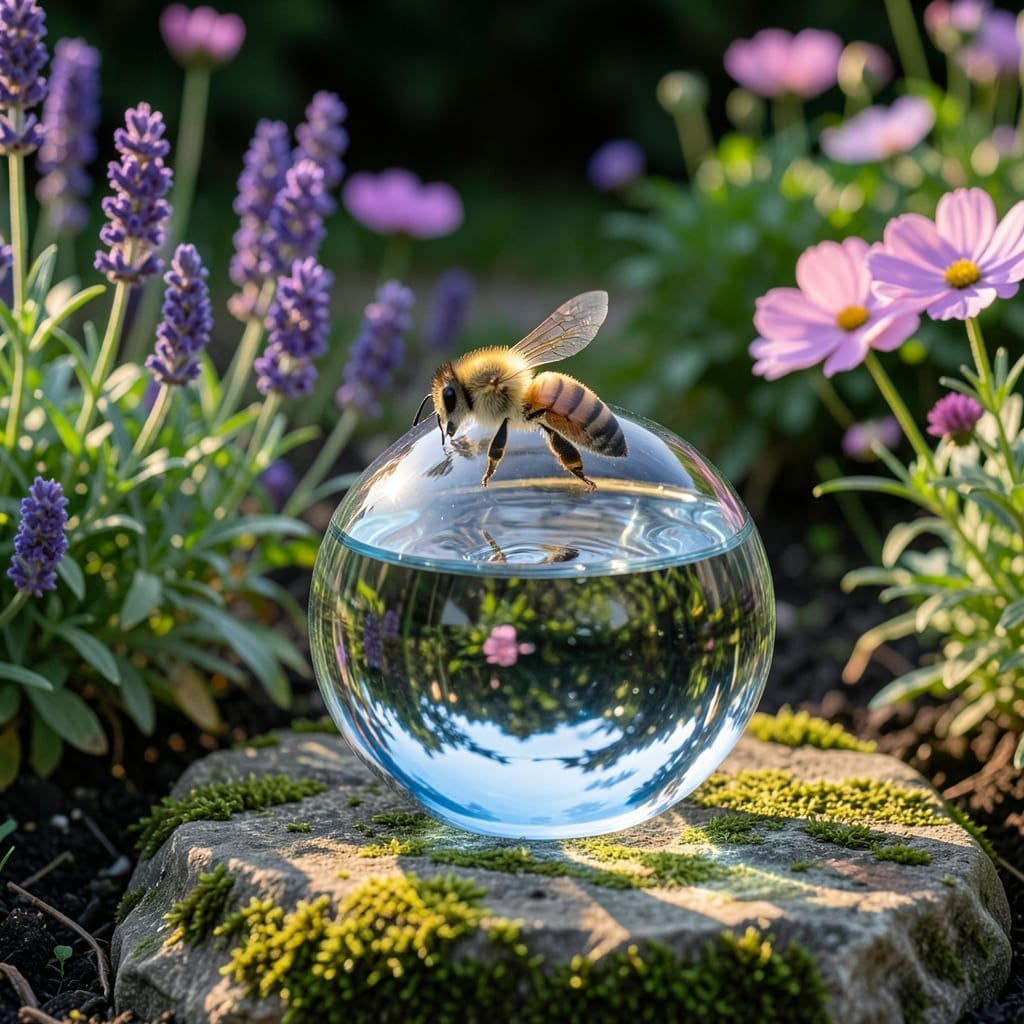
I added a bee drinking ball to my garden last summer, and the difference was immediate. Bees swarmed the shallow water source, taking quick sips between pollination runs. It’s a simple way to support these essential workers during dry spells.
This isn’t just a water feature—it’s a lifeline. Bees need water to survive, but traditional bird baths can be dangerous for them. A drinking ball provides safe, accessible hydration with textured surfaces that prevent drowning.
Place it near flowering plants where bees are already active. The ball’s design lets them land and drink without risk, and it doubles as a striking garden ornament.
Clean it weekly to prevent algae buildup, and keep it shallow—1/4 inch of water is perfect. Your garden will buzz with gratitude.
Bees often gather around garden watering balls for a few key reasons, rooted in their biology and environmental needs. These tiny pollinators require hydration just like any other living creature, and garden water features provide an accessible source.
Bees need water to survive, especially in hot or dry climates. Unlike humans, they can’t drink from open water sources safely due to the risk of drowning. A garden ball with a textured or shallow surface allows them to sip water without submerging. The small droplets or moist surfaces on these balls are perfect for their tiny mouthparts.
Water isn’t just for hydration—bees also collect minerals from damp surfaces. Garden balls made of porous materials, like terracotta or concrete, can leach trace minerals into the water. Bees actively seek out these nutrients to support their colony’s health, particularly for brood rearing.
Still water (e.g., ponds or birdbaths) can be deadly for bees, as their wings become waterlogged. A garden ball’s curved, uneven surface provides safe footing, letting them land, drink, and take off without risk. The design mimics natural dew-covered leaves or pebbles, which bees instinctively use in the wild.
On sweltering days, bees use water to cool their hives through evaporation. A reliably moist garden ball becomes a community resource, helping worker bees collect water efficiently. This is especially critical in urban areas where natural water sources are scarce.
By understanding these drivers, gardeners can optimize their water stations to better support local pollinator populations.
If bees are overcrowding your garden ball water station or struggling to drink safely, these targeted fixes will restore balance and keep your pollinators happy. Below are practical solutions for common problems, paired with prevention tips to avoid future hiccups.
Bees can’t swim, and even shallow water can trap them. Fix: Place small, flat stones, pebbles, or cork pieces in the water so bees have dry spots to land and sip. Ensure at least 30% of the surface is covered with these “islands.”
Prevent it: 💡 Always include floating or submerged perches when setting up any water source for bees.
In hot climates, garden balls may dry out quickly, leaving bees without a drink. Fix: Switch to a wider, deeper dish or add a floating ping-pong ball to reduce evaporation. A DIY lid with small holes (like a colander) can also slow water loss while still allowing access.
Prevent it: ✨ Refill the station in the early morning and consider placing it in a shaded area.
Too many bees competing for one spot can lead to stress or drowning. Fix: Set up 2–3 smaller water sources (e.g., saucers or shallow bowls) spaced 10–15 feet apart. This distributes the traffic and reduces territorial behavior.
Prevent it: 🎯 Start with multiple stations if you have a large garden or high bee activity.
Stagnant water breeds mosquitoes and bacteria, which can harm bees. Fix: Scrub the garden ball or dish with a vinegar-water mix (1:1 ratio) and rinse thoroughly. Replace the water every 2–3 days in warm weather.
Prevent it: 🌡️ Add a few drops of hydrogen peroxide (3%) to the water to inhibit algae growth without harming bees.
With these adjustments, your garden ball will become a safe, thriving hub for bees to hydrate and pollinate with ease!
Refill it every 2-3 days in warm weather, or daily during heatwaves. Bees rely on consistent access, and stagnant water can breed mosquitoes.
Use porous materials like terracotta or concrete, which provide texture for safe landing and leach beneficial minerals. Avoid smooth surfaces like glass or plastic.
Yes, butterflies and wasps may also visit. To prioritize bees, place the ball near flowering plants and keep water levels shallow at 1/4 inch.