
Beautiful Plants For Your Interior
Beautiful Plants For Your Interior
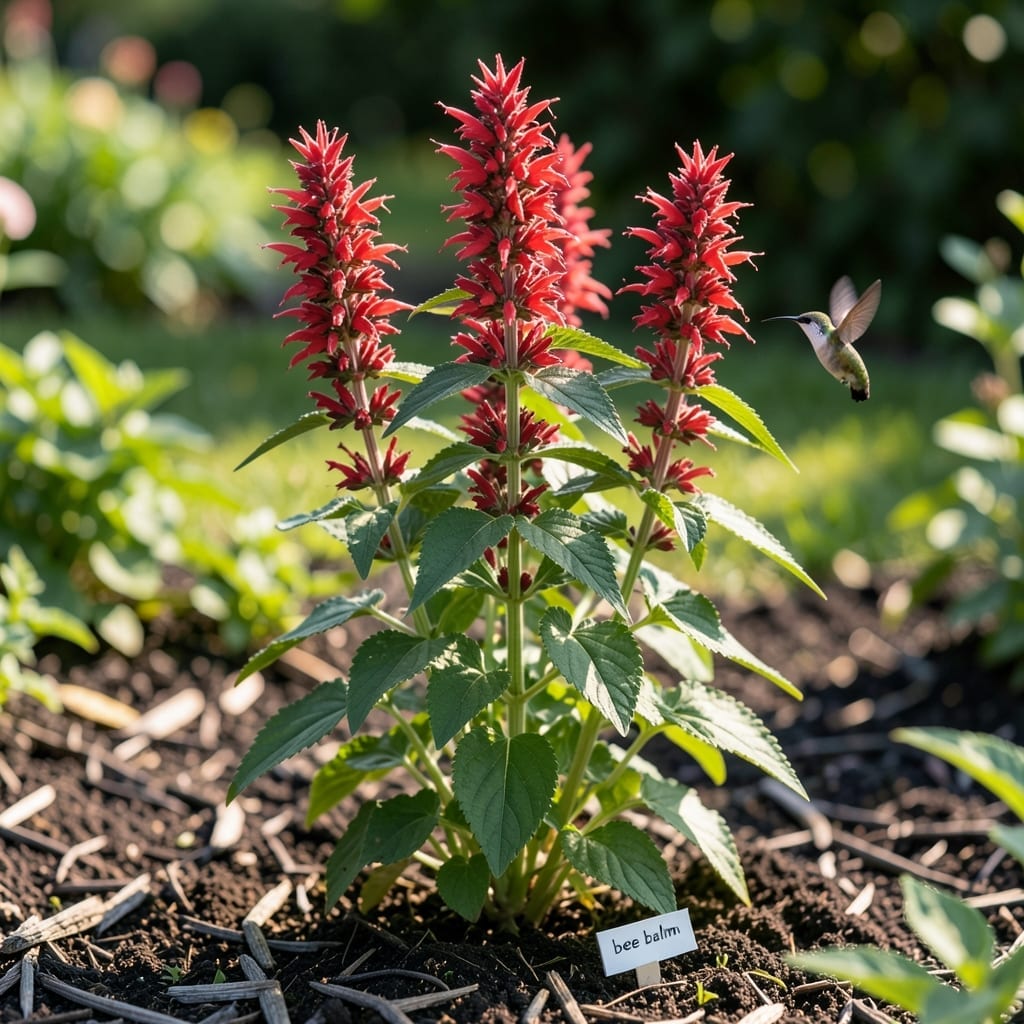
There’s something magical about watching 🌸 Bee Balm burst into vibrant blooms, drawing pollinators like a magnet. But here’s the thing – without the right sunlight, you might miss out on that spectacular show.
Getting the light conditions just right can make all the difference between a thriving plant and one that struggles. I’ve seen firsthand how proper sun exposure transforms Bee Balm from mediocre to magnificent.
Whether you’re a seasoned gardener or just starting out, understanding these needs is the key to success. Let me walk you through what works best for this stunning perennial.
We’ll explore how to give your Bee Balm the perfect balance of light, so you can enjoy those gorgeous flowers from July through September. The results will speak for themselves.

I’ve found that bee balm thrives best with 6-8 hours of direct sunlight daily. This full sun exposure encourages vibrant blooms and strong stems, making it a pollinator magnet in my garden.
In hotter climates, I notice afternoon shade helps prevent leaf scorch. If you’re in USDA zones 4-9, aim for morning sun and dappled light during peak heat.
| Sun Requirement | Specification |
| Ideal Daily Sun | 6-8 hours |
| Light Type | Direct sunlight |
| Climate Adjustment | Afternoon shade in heat |
| USDA Zones | 4-9 |
When planting bee balm, I always check my garden’s light patterns. A south-facing spot is ideal, but east-facing works too with gentler morning sun.
In my experience, too little sun leads to leggy growth and fewer flowers. If your plants look sparse, consider relocating them to a sunnier location.
For container gardening, I move pots to follow the sun. A balcony or patio with 6+ hours of light keeps my potted bee balm blooming all season.
I’ve also noticed that dappled shade from tall trees works well. This mimics the natural woodland edges where bee balm often grows in the wild.
If you’re in a very hot region, like the Deep South, I recommend partial shade to protect leaves from heat stress. A shade cloth can help during peak summer.
For northern gardeners, full sun is rarely an issue. Just ensure your bee balm gets unobstructed light for most of the day to maximize growth.
I always remind fellow gardeners that consistent sunlight is key. Fluctuating light can cause uneven growth, so pick a spot and stick with it for the season.
With the right sun exposure, your bee balm will reward you with bold colors and a buzzing pollinator paradise 🌻
I’ve found that bee balm is pretty forgiving, but it will show clear signs when sunlight isn’t ideal. Too much sun can scorch its leaves, while too little leads to leggy, weak growth.
Watch for wilting in afternoon heat or brown leaf edges—these scream excessive sun exposure. In shade, you’ll notice fewer blooms and pale foliage struggling to thrive.
If your bee balm has scorched leaves, try afternoon shade or move pots to a cooler spot. A shade cloth works wonders in hot climates.
For leggy plants, gradually increase sun exposure over a week. Prune back overgrown stems to encourage bushier growth and more flower production.
In partial shade, bee balm may still bloom, but full sun yields the most vibrant and abundant flowers. Monitor and adjust as needed.
Remember, morning sun is gentler than afternoon heat. If your garden gets intense midday rays, consider dappled shade from nearby trees or shrubs ☀️