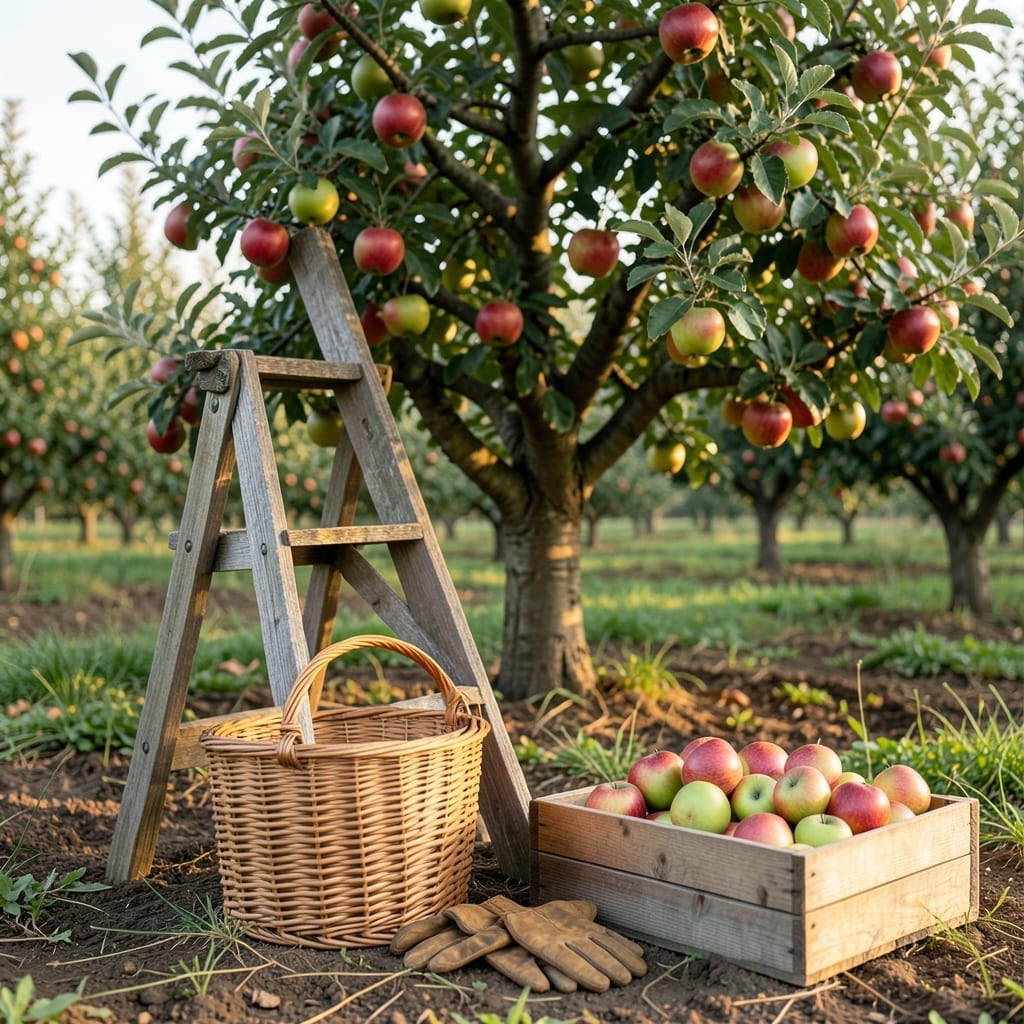
Bear Fruit Harvest: When and How to Pick for Best Flavor

Bear Fruit Harvest: When and How to Pick for Best Flavor

There’s nothing quite like the satisfaction of picking fruit at its peak ripeness. With the 🍎 Apple Tree, timing your harvest can mean the difference between a tart disappointment and a sweet, juicy reward.

I’ve learned that knowing when to harvest is just as important as how you do it. The signs are subtle but unmistakable once you know what to look for.

Discover the 3 key indicators that tell you your fruit is ready. These simple checks will ensure you’re picking at the best possible moment.

Let me walk you through the process that’s worked for me season after season. Your taste buds will thank you for the attention to detail.

Style 16: Quick Tips – General
🌅
Morning
Pick early for best flavor & crunch
✂️
Clean Cut
Use scissors, don’t pull or twist
🔄
Check Daily
Ripeness can change overnight!

When to Harvest Bear Fruit for Peak Ripeness

Timing your bear fruit harvest perfectly makes all the difference in flavor and storage. I’ve found that watching for color changes is the first clue—most varieties shift from green to deep red, purple, or yellow as they ripen. This visual cue is often the easiest to spot in your garden.

Texture matters just as much. A ripe bear fruit should feel slightly soft when gently pressed, but not mushy. If it’s still hard, it needs more time on the tree. I always test a few fruits first to confirm they’re ready for the main harvest.

Bear Fruit Ripeness Indicators

Indicator Description
Color Shifts to deep red, purple, or yellow
Texture Slightly soft to touch
Aroma Sweet, fragrant scent near stem
Stem Test Easily separates from branch
Season Late summer to early fall

Another key sign is the aroma. Ripe bear fruit emits a sweet, almost floral fragrance near the stem. I like to cup the fruit in my hands and inhale deeply—if it smells rich and inviting, it’s ready to pick.

The stem test is my go-to method for confirmation. Gently lift the fruit and twist it slightly. If it comes off the branch with ease, it’s at peak ripeness. If it resists, give it a few more days. This method prevents damage to both the fruit and the tree.

Seasonal timing plays a role too. In most regions, bear fruit reaches maturity in late summer to early fall. However, climate variations can shift this window. Cooler climates may see a later harvest, while warmer areas might start earlier.

I’ve noticed that early-morning harvesting often yields the best results. The fruits are cooler and firmer, which helps them stay fresh longer. Plus, the morning dew adds a refreshing touch to the process.

If you’re unsure, taste-test a fruit or two. A ripe bear fruit should be juicy, sweet, and free of tartness. If it’s still sour or bland, wait another week and check again.

For gardeners in USDA Zone 6 or similar areas, late August to mid-September is typically the sweet spot. Keep an eye on weather forecasts—an early frost can rush your decision.

Finally, remember that consistent monitoring is key. Bear fruit can go from underripe to overripe quickly, so check your trees every few days as harvest time approaches. This attention to detail ensures you won’t miss the perfect window. 🌳

Step-by-Step Guide to Picking Bear Fruit Without Damage

Harvesting bear fruit at the right moment preserves its delicate texture and sweet flavor. I always use sharp pruners or garden shears to ensure clean cuts that won’t harm the plant or the fruit.

Timing is everything—early morning is ideal when temperatures are cool, reducing stress on both the fruit and the plant. This also helps prevent bruising during handling.

1
Inspect fruit color and firmness for ripeness
2
Use clean, sharp tools to avoid tearing the stem
3
Hold the fruit gently while cutting to prevent drops
4
Place harvested bear fruit in a padded basket

I recommend wearing gardening gloves to protect your hands from thorns or rough stems. This also helps maintain a firm grip without squeezing the fruit too tightly.

Avoid pulling the fruit directly from the branch, as this can damage the plant’s spur and reduce next year’s yield. Instead, always cut with a short stem attached.

After harvesting, I sort the fruit by size and ripeness to determine storage needs. Fully ripe bear fruit should be enjoyed first, while firmer pieces can be stored for 1-2 weeks in a cool, dark place.

Finally, clean your harvesting tools with rubbing alcohol after use to prevent the spread of disease to other plants in your garden. ✂️

★★★★★4.6(10 reviews)