
Beautiful Plants For Your Interior
Beautiful Plants For Your Interior
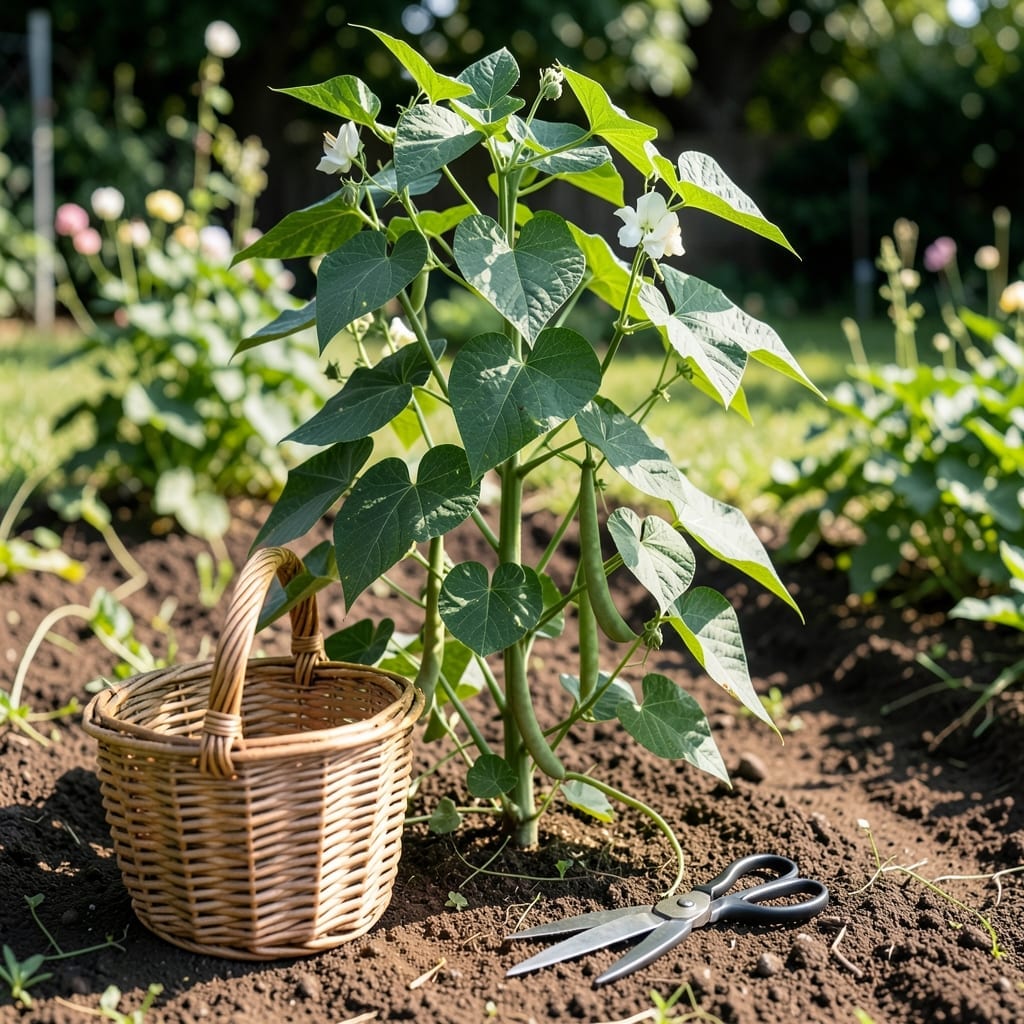
There’s nothing quite like the satisfaction of plucking fresh beans from your garden at their peak. But how do you know when they’re truly ready?
I’ve learned that timing is everything with Beans 🌱. Harvest too early, and you’ll miss out on that perfect snap and flavor. Wait too long, and you’ll end up with tough, stringy pods.
Whether you’re growing bush beans or pole varieties, there are clear signs to watch for. The difference between a mediocre harvest and an exceptional one often comes down to just a few days.
Let me walk you through the simple visual cues and seasonal timing that will ensure your beans are always picked at their best. You’ll be surprised how easy it is to get this right.

Timing your beans harvesting time perfectly makes all the difference between crisp, tender pods and tough, stringy disappointments. I always check for visual cues first, as they’re the most reliable indicators across all varieties.
Each bean variety has its own telltale signs. For snap beans, look for firm, bright green pods that are about 4-6 inches long. They should snap cleanly when bent, a sure sign they’re ready.
| Harvest Signs | Days to Maturity | |
|---|---|---|
| Snap Beans | Firm, bright green, 4-6 inches | 50-60 days |
| Bush Beans | Plump pods, seeds not bulging | 55-65 days |
| Pole Beans | Long, slender, glossy | 60-70 days |
| Lima Beans | Pods plump, seeds fully formed | 70-90 days |
For bush beans, I wait until the pods are plump but the seeds inside aren’t yet bulging. This usually happens around 55-65 days after planting, depending on the weather.
Pole beans often take a bit longer, around 60-70 days. They’re ready when the pods are long, slender, and have a glossy appearance. I find they’re sweeter if picked just as they reach full size.
Lima beans are the late bloomers of the bunch. Their pods should be plump with fully formed seeds inside, which typically takes 70-90 days. The pods will turn a slightly pale green when ready.
I always harvest in the early morning when the plants are most hydrated. This helps the pods retain their crispness. Using sharp scissors or pruners prevents damage to the plant, encouraging more production.
Avoid waiting until the seeds are visibly bulging through the pod. At this stage, the beans are overmature and will be tough and starchy. For the best flavor, consistency is key—check your plants every 2-3 days once they start producing.
If you’re growing yellow wax beans, the same rules apply, but the color is different. Look for a bright yellow hue and the same firm texture. They’re just as delicious as their green counterparts when harvested at the right time.
Finally, remember that weather conditions can affect your beans harvesting time. Hot, dry weather may speed up maturity, while cooler temperatures can delay it. Adjust your checks accordingly to catch the perfect window.
With practice, you’ll recognize the subtle changes that signal readiness. Trust your senses—sight, touch, and even sound (that satisfying snap!) will guide you to the best harvest 🌱
I’ve seen many gardeners miss the ideal beans harvesting time by waiting for pods to look “bigger.” But overripe beans turn stringy and lose their crisp texture. The perfect window is often just a few days long.
Harvesting too early is another common error. Small pods may look cute, but they lack the full flavor and snap of mature beans. Visual cues are key to getting it right. 🌱
⚠️ Avoid These Harvesting Pitfalls
Waiting for maximum size often means you’ve waited too long—beans continue growing past their prime.
Hot weather speeds up ripening, so check plants daily during summer heatwaves.
Picking after a rainstorm can dilute flavor—wait for pods to dry slightly for best taste.
Temperature plays a huge role in ripening speed. In hot climates, beans may mature 2-3 days faster than average. Cooler weather slows growth, so adjust your expectations based on your local conditions.
Moisture levels affect texture too. Overwatered beans can become watery and bland, while drought-stressed plants produce tough pods. Aim for consistent soil moisture for the best results.
Another mistake is harvesting all pods at once. Staggered picking encourages the plant to produce more. I always check my plants every 2-3 days during peak season to catch each pod at its prime.
Remember, the snapping sound when you bend a pod is a sure sign of readiness. If it bends without snapping, it’s either not ripe yet or past its prime. Trust your senses as much as the calendar. ✂️