
Beautiful Plants For Your Interior
Beautiful Plants For Your Interior
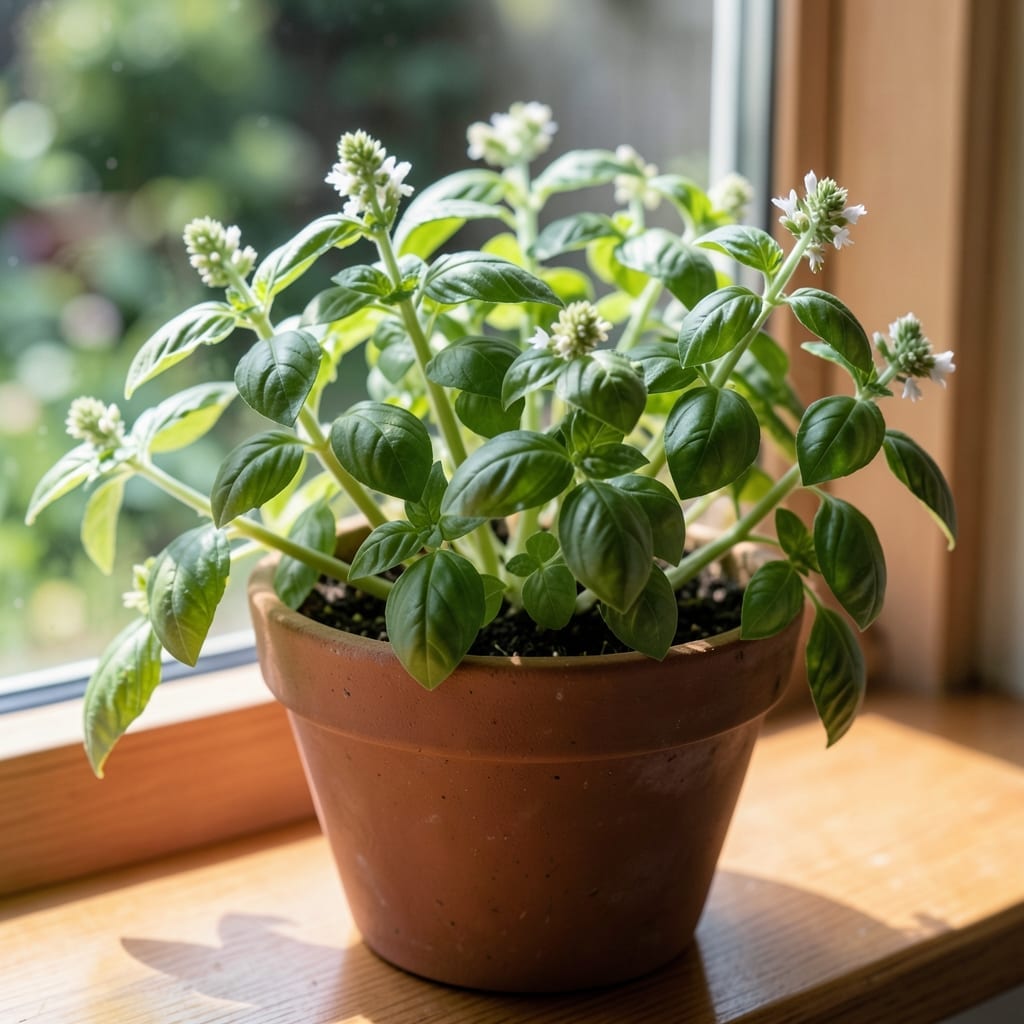
Basil thrives in warm conditions, but knowing its exact temperature needs can make or break your harvest. I’ve seen healthy plants wilt overnight when the mercury dips too low or spikes too high.
The 🌿 Basil you’re growing has specific limits—push them, and you’ll pay the price in stunted growth or lost flavor. It’s not just about surviving; it’s about giving your plants the ideal environment to flourish.
From germination to maturity, each stage demands different care. I’ll show you how to spot the warning signs before it’s too late and share simple tricks to keep your basil in its most comfortable zone.
Discover how small adjustments can lead to a bountiful, aromatic harvest that lasts all season long.
I’ve found that basil thrives best when temperatures stay between 70°F and 90°F during its active growth. This warm-season herb struggles when it dips below 50°F or spikes above 100°F for long periods.
Each growth stage has its own temperature needs. Germination requires consistent warmth, while mature plants can handle slightly broader ranges. Let me break it down for you.
| Growth Stage | Minimum Temp | Ideal Range | Maximum Temp |
|---|---|---|---|
| Germination | 60°F | 70-80°F | 85°F |
| Seedling | 55°F | 70-85°F | 90°F |
| Vegetative | 50°F | 75-90°F | 95°F |
| Flowering | 60°F | 80-90°F | 100°F |
For germination, I always aim for 70-80°F soil temps. Using a heat mat can help maintain this if you’re starting seeds indoors early in the season.
Once seedlings emerge, they’re a bit more forgiving but still need warmth above 55°F. I’ve learned the hard way that cold snaps below this can stunt their growth permanently.
During the vegetative stage, your basil will grow most vigorously between 75-90°F. This is when I see the most lush green growth in my garden beds.
When flowering begins, the plant becomes slightly more heat-tolerant, handling up to 100°F. However, I recommend providing afternoon shade in extreme heat to prevent stress.
Remember that night temperatures matter too. Basil prefers nights no cooler than 60°F. In my experience, consistent warmth is key to avoiding temperature shock.
If you’re growing in containers, you have more control. I move my pots to warmer spots when forecasts predict cool nights below the ideal range.
For garden beds, I use black plastic mulch to retain soil heat. This simple trick can make a big difference in cooler climates or early spring plantings.
🌱
I’ve found that basil thrives when shielded from temperature swings. Sudden cold snaps below 50°F can stunt growth, while heat above 90°F may scorch leaves. Consistency is key for this warm-season herb.
In my garden, I use mulch to insulate soil and row covers for unexpected chills. For container basil, moving pots indoors during cold nights works wonders.
During heatwaves, I’ve seen basil wilt if not given afternoon shade. A 30% shade cloth can reduce stress while allowing sunlight for photosynthesis.
Cold frames are another great option for extending the growing season. They trap heat and protect from light frosts, giving your basil a few extra weeks of life.
For indoor basil, keep it near a south-facing window but away from drafts or AC vents. Even indoors, temperature stability matters for healthy growth.
Remember, basil is not frost-tolerant. If a hard frost is forecasted, harvest what you can or bring plants inside. A little preparation goes a long way 🌱