
Beautiful Plants For Your Interior
Beautiful Plants For Your Interior
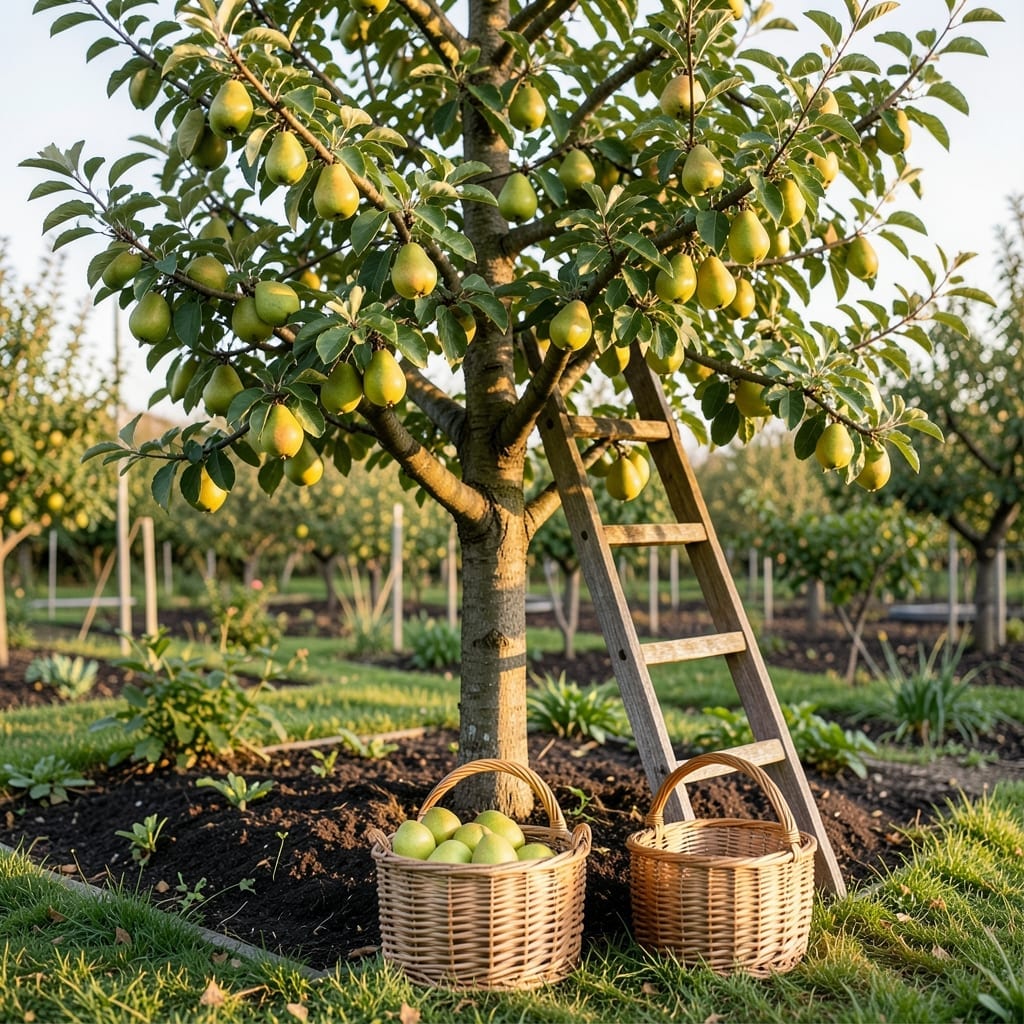
Nothing beats the sweet, juicy flavor of a perfectly ripe Bartlett pear—but knowing exactly when to pick can be tricky. Unlike many fruits, the 🍐 Bartlett Pear changes color dramatically as it ripens.
That green-to-yellow shift is your most important visual clue. But color alone doesn’t tell the whole story, and picking too early or too late can mean the difference between mealy and magnificent.
I’ve learned that timing is everything with these trees, especially in zones 5-9. The good news? There are simple tests you can do to confirm ripeness before harvesting.
Discover the easy methods I use to pick Bartlett pears at their peak every time. Your taste buds will thank you.
As a gardener, I’ve learned that Bartlett pears are unique because their color transformation is the most reliable sign of ripeness. Unlike other fruits, they shift from a deep green to a bright yellow as they mature on the tree.
This visual cue is especially helpful for beginners. I always watch for the first hints of yellow at the stem end, which signals the start of the ripening process. The change spreads upward, making it easy to track progress.
| Stage | Color | Ripeness |
|---|---|---|
| Early | Deep green | Not ripe |
| Mid | Green-yellow | Approaching |
| Peak | Bright yellow | Ready to pick |
For red Bartlett varieties, the shift is from deep red to a lighter, brighter red. I’ve noticed this change is subtler, so I pay extra attention to the underside of the pear, where color shifts first.
Regional climate conditions can affect the timing. In warmer zones, the color change happens faster, while cooler areas may see a slower transition. I always keep an eye on daily temperature swings during harvest season.
Another tip: morning light can make the color appear more vivid. I check my Bartlett pears in the early hours to avoid the harsh afternoon sun, which can wash out the true hue.
If you’re growing multiple trees, note that younger trees may produce fruit that ripens slightly earlier. I’ve seen this firsthand with my 3-year-old Bartlett, which ripened a week before my older trees.
Don’t forget to consider varietal differences. Some Bartlett strains have a golden undertone even when unripe. I always research the specific type I’m growing to set the right expectations.
Finally, remember that color alone isn’t always enough. I combine this visual check with a gentle squeeze test to confirm ripeness. A slight give near the stem is a great secondary signal.
By mastering these color changes, you’ll never pick an underripe Bartlett again. It’s a simple but powerful tool in any gardener’s toolkit.
🌳While color change is the most obvious sign, I always recommend adding texture tests to confirm ripeness. Bartlett pears transform from hard and starchy to soft and juicy as they mature, and these tactile cues are just as important as visual ones.
The gentle pressure test works wonders—simply press your thumb near the stem end. If it gives slightly, your pear is likely ready. Avoid squeezing too hard, as this can bruise the fruit and give a false impression of ripeness.
I’ve found the stem check particularly reliable. A ripe pear will separate from the tree with minimal effort. If it resists or requires force, it’s not ready yet. This method prevents premature picking, which can result in grainy texture and poor flavor.
Another tip: check the blossom end (opposite the stem). As Bartlett pears ripen, this area often softens first. If it feels slightly spongy when pressed, your pear is approaching peak ripeness and should be harvested soon.
Remember that weather conditions can affect ripening speed. Warm, sunny days accelerate the process, while cool, cloudy weather may slow it down. Always combine multiple tests for the most accurate results.
By mastering these texture checks, you’ll never be left guessing about your Bartlett pears’ readiness. The combination of color change and tactile testing ensures you’ll harvest at the perfect moment every time. ☀️