
Beautiful Plants For Your Interior
Beautiful Plants For Your Interior
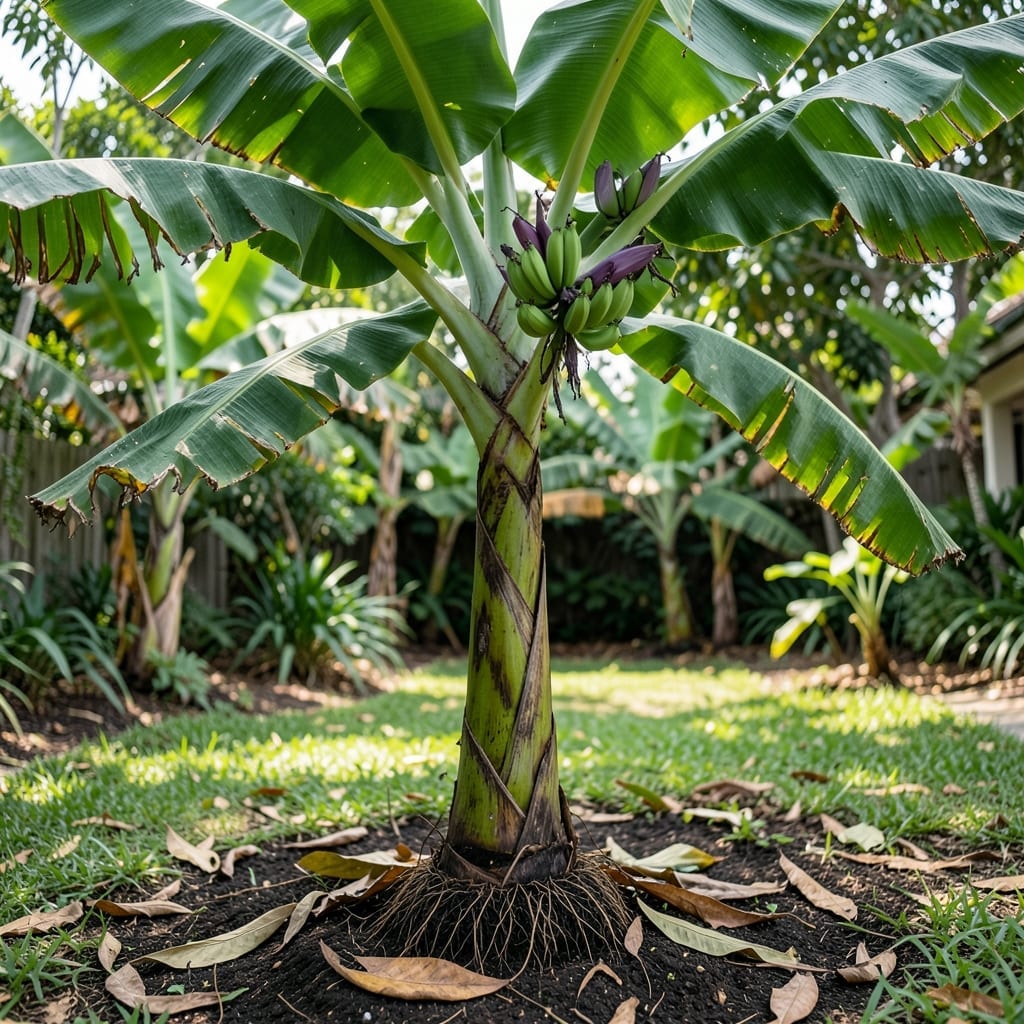
I’ve seen firsthand how banana tree 🍌 roots can take over a yard, cracking driveways and tangling with underground pipes. It’s a common struggle for gardeners who love tropical plants but aren’t prepared for their aggressive growth.
These roots don’t just spread wide—they grow fast, often catching homeowners off guard. Understanding their behavior is the first step to keeping them in check without harming the plant.
In this guide, I’ll walk you through how these roots develop, why they’re so invasive, and what you can do to manage them. No fluff, just practical advice to save you time and headaches.
Discover the simple strategies that keep your banana tree thriving while protecting your property. Let’s get started.
Banana tree roots are shallow but aggressive, spreading far beyond the plant’s base. Unlike many trees, they lack a central taproot, relying instead on a dense mat of fibrous roots and underground stems called rhizomes.
These rhizomes are the real culprits behind their invasive reputation. They can extend up to 15 feet from the trunk, sending up new shoots and feeding the plant’s rapid growth.
| Root Type | Function | Spread Range |
|---|---|---|
| Fibrous Roots | Absorb water and nutrients | 3-5 feet radius |
| Rhizomes | Store energy and produce new shoots | Up to 15 feet |
| Feeder Roots | Fine roots for nutrient uptake | 1-2 feet deep |
The shallow nature of banana roots means they compete fiercely with nearby plants for surface-level nutrients. This makes soil preparation critical before planting.
In ideal conditions, banana roots grow rapidly, often reaching their maximum spread within just 1-2 growing seasons. This quick expansion can overwhelm small garden spaces.
I’ve seen banana roots crack concrete and clog drainage pipes when planted too close to structures. Their strong growth can lift paving stones and disrupt underground utilities.
For gardeners, understanding this root behavior is key to placement. I recommend keeping banana trees at least 10 feet from buildings, walkways, and other vulnerable areas.
The rhizome system also means that simply cutting down a banana tree won’t stop its growth. New shoots will emerge from remaining rhizomes unless fully removed.
In tropical climates, banana roots grow year-round, but in cooler zones, they may go dormant during winter. This seasonal pause gives gardeners a window for root management. ☀️
Regular root pruning can help control spread, but it must be done carefully to avoid damaging the plant. I suggest using a sharp spade to sever outer roots while preserving the main system.
Remember, healthy banana roots need well-draining soil and consistent moisture. Compacted or waterlogged soil can stunt growth and lead to root rot. 🌱
If you’ve noticed banana tree roots creeping toward your patio or driveway, it’s time to take action. These plants have an aggressive root system that can extend 20-30 feet in search of water and nutrients. Without control, they’ll disrupt hardscapes and compete with other plants.
Luckily, there are effective ways to manage this growth. The key is early intervention before roots establish deeply. I’ll share my top strategies below.
For permanent installations, root barriers are my go-to. They’re durable and create a physical block that roots can’t penetrate. I recommend 1/4-inch thick HDPE for best results.
If you prefer portable solutions, container planting works well. Just ensure the pot has drainage holes and use well-draining soil to prevent root rot. A dwarf banana variety is ideal for this method.
For existing trees, annual root pruning keeps growth in check. I do this in early spring before new growth starts. Use a sharp spade to cut roots cleanly, reducing stress on the plant.
Remember, prevention is easier than fixes. Plan your banana tree placement carefully, and you’ll avoid most root-related issues down the line 🌱