
Beautiful Plants For Your Interior
Beautiful Plants For Your Interior
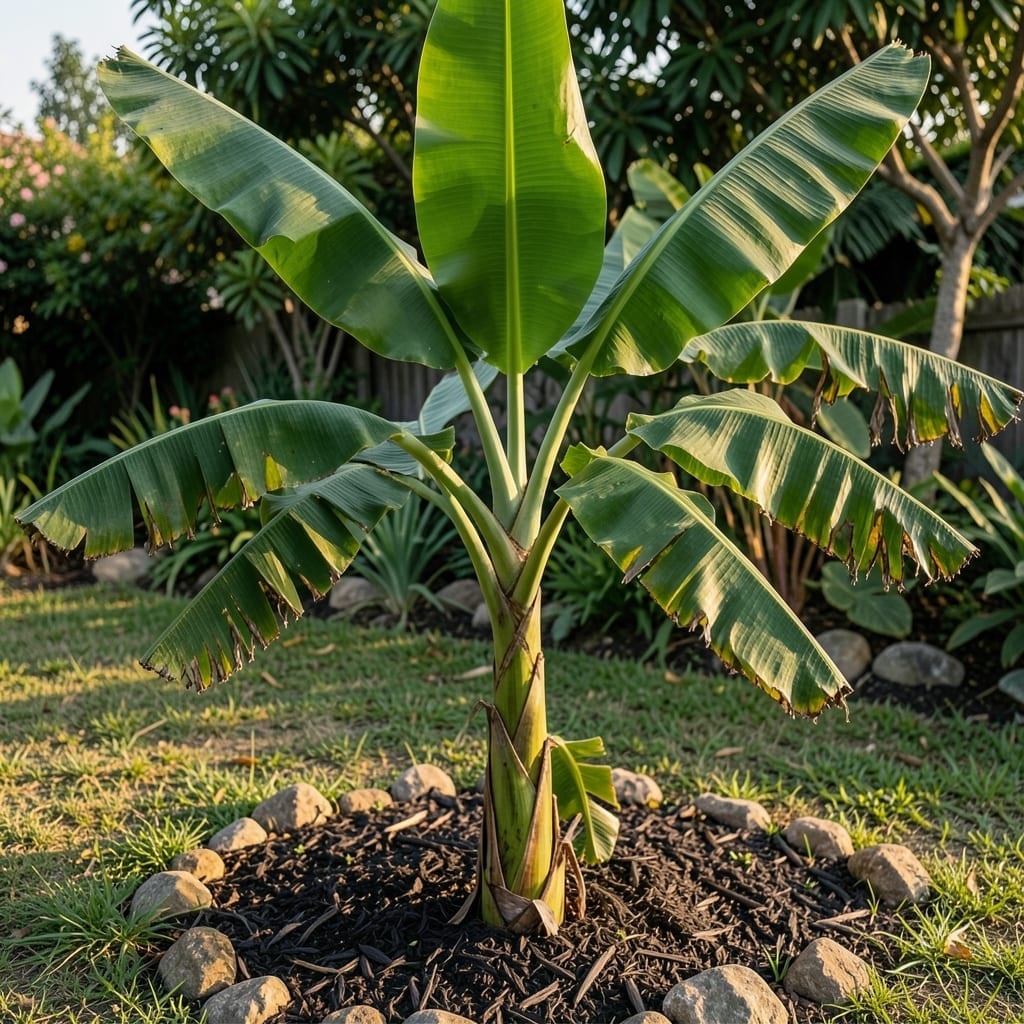
That moment when your banana plant’s leaves start drooping is heartbreaking. I’ve been there, watching those once-vibrant leaves suddenly look like they’ve given up on life.
Good news: this is usually fixable. Most cases come down to 3 common issues—too much water, not enough, or missing nutrients. The plant’s just trying to tell you something’s off in its environment.
With a few quick adjustments to your care routine, you’ll often see improvement within 24-48 hours. The leaves perking back up is one of the most satisfying garden comebacks I know.
Works for potted plants, garden specimens, and even those dramatic indoor statement plants we all love.
Banana plants are tropical giants, but even they can wilt under stress. Drooping leaves often signal an underlying issue that needs attention. Below are the most common causes, explained with actionable insights. 🌿
Banana plants thrive in moist soil, but soggy conditions suffocate roots. Overwatering or compacted soil prevents oxygen uptake, leading to root rot. Fusarium and Phytophthora fungi thrive in waterlogged soil, causing leaves to yellow and droop. Check drainage by digging a small hole—if water pools for hours, amend soil with perlite or sand.
Drooping can also stem from dehydration. Banana plants need consistent moisture, especially in hot climates. Wilting leaves during peak sun (12–3 PM) may indicate heat stress. Mulch with organic matter to retain moisture and water deeply at the base—not the leaves—to avoid fungal issues.
A lack of potassium, nitrogen, or magnesium triggers leaf droop. Yellowing edges (potassium deficiency) or pale leaves (nitrogen deficiency) are red flags. Test soil pH (ideal: 5.5–7.0) and fertilize with a balanced 10-10-10 mix or compost. For quick revival, use a potassium-rich supplement like wood ash.
Sap-sucking pests like aphids, spider mites, or banana weevils weaken plants by draining nutrients. Inspect leaf undersides for webs or sticky residue. Treat with neem oil or insecticidal soap, and remove severely infested leaves to prevent spread.
Banana leaves are large and fragile. Strong winds or accidental breaks can cause drooping as the plant redirects energy to repair. Stake young plants and trim torn leaves to reduce stress. Ensure new plantings are sheltered until established.
Drooping leaves on your banana plant can often be fixed with a few simple adjustments. Below are targeted solutions for the most common causes, along with prevention tips to keep your plant thriving.
If the soil feels dry 1-2 inches down, your plant is likely thirsty. Water deeply until moisture reaches the root zone, ensuring the soil is evenly damp but not soggy. For large plants, a slow, deep watering session (5-10 minutes) works best. Prevention tip: 💡 Check soil moisture every 2-3 days in hot weather and adjust your watering schedule accordingly.
Yellowing leaves and a foul odor signal overwatering. Stop watering immediately and let the soil dry out. If root rot is suspected, trim affected roots and repot in fresh, well-draining soil. Use a pot with drainage holes to avoid waterlogging. Prevention tip: ✨ Water only when the top 2 inches of soil are dry, and consider a moisture meter for accuracy.
Banana plants need 6-8 hours of sunlight daily. If leaves are drooping and pale, relocate the plant to a sunnier area, gradually acclimating it to avoid shock. South-facing windows or a shaded patio are ideal. Prevention tip: 🎯 Rotate the plant weekly to ensure even light exposure.
Banana plants prefer 70-85°F (21-29°C). If exposed to cold drafts or extreme heat, leaves may wilt. Move indoor plants away from AC vents or heaters, and use mulch outdoors to regulate soil temperature. Prevention tip: 🌡️ Monitor temperature fluctuations and provide shade cloth during heatwaves.
Check under leaves for aphids, spider mites, or mealybugs. Wipe leaves with a damp cloth or spray with neem oil (1 tbsp per gallon of water). For severe infestations, use insecticidal soap. Prevention tip: 🔥 Regularly inspect leaves and keep the growing area clean to deter pests.
Water deeply when the top 2 inches of soil feel dry. In hot weather, this may mean watering every 2-3 days. Always check soil moisture with your finger before adding more water.
Yes, if the cause is temporary like underwatering or heat stress. With proper care, leaves often perk up within 24-48 hours. Severely damaged leaves may not recover but new growth will.
Use a balanced 10-10-10 fertilizer or compost. For quick revival, add potassium-rich supplements like wood ash. Always fertilize moist soil to prevent root burn.
Only remove leaves that are completely yellow or damaged. If leaves still have green color, they may recover. Removing too many leaves at once stresses the plant further.