
Beautiful Plants For Your Interior
Beautiful Plants For Your Interior
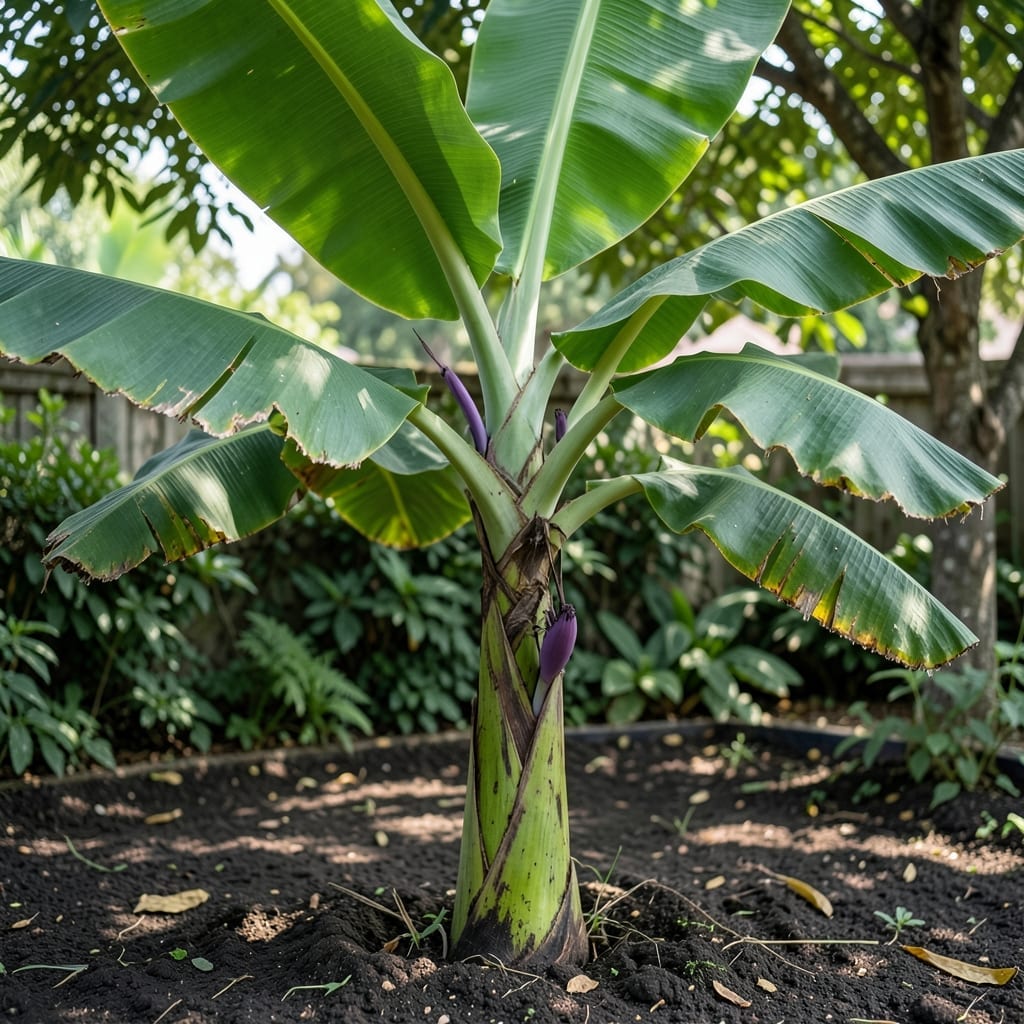
Watching your 🍌 Banana plant enter its flowering stage is a thrilling milestone. This phase signals the shift from lush foliage to potential fruit production.
Recognizing this transition is the key to ensuring your plant thrives. With proper care during this period, you can set the stage for a successful harvest.
I’ll guide you through the signs to look for and the steps to take. Whether you’re a seasoned gardener or a beginner, these insights will help you nurture your Banana plant effectively.
Discover how to make the most of this exciting growth phase. Let’s dive in and explore what it takes to support your plant’s journey.
The banana flowering stage is an exciting phase where your plant transitions from leafy growth to fruit production. I always watch for the emergence of the purple heart, also called the inflorescence, which signals the start of this critical period. This heart-shaped structure appears at the end of the stem. 🌱
As the purple heart grows, you’ll notice bracts beginning to unfold. These are the waxy, petal-like structures that protect the developing banana flowers. Each bract reveals a cluster of tiny hermaphrodite flowers, which will eventually form into bananas. This process can take 2-4 weeks, depending on the variety and growing conditions. 🌿
| Stage | Key Signs | Timeline |
|---|---|---|
| Inflorescence Emergence | Purple heart appears | 15-20 months after planting |
| Bract Unfolding | Waxy bracts open daily | 2-4 weeks duration |
| Tiny Bananas Form | Small fruits visible | 7-10 days after bracts open |
I recommend checking your plant daily during this phase. The bracts typically open one at a time, revealing rows of tiny bananas that look like small fingers. These will grow rapidly, so ensuring your plant has enough nutrients and water is crucial. The entire flowering process can last 4-6 weeks, depending on the climate. 🌿
Another key indicator is the color change in the flower. The purple heart will gradually lighten as the bracts open, and you may see a mix of purple, red, and yellow hues. This color transition is a sign that the plant is progressing well. If the heart remains dark purple, it may indicate a nutrient deficiency or stress. ✂️
Timing varies by banana variety. Dwarf types like ‘Dwarf Cavendish’ may flower in 9-12 months, while larger varieties such as ‘Grand Naine’ can take 18-24 months. Growing conditions also play a role: plants in tropical climates with consistent warmth and humidity tend to flower faster than those in cooler areas. 🌡️
I’ve found that well-draining soil and full sun exposure speed up the flowering process. If your plant is struggling, check for pests like aphids or banana weevils, which can delay or damage the inflorescence. Regularly inspect the stem and leaves for signs of infestation. 💧
Once the tiny bananas appear, they’ll start to grow upward, forming the familiar curved shape. This is when the plant needs extra support, as the weight of the developing fruit can cause the stem to bend or break. I use bamboo stakes or a trellis to keep the plant upright. ☀️
Remember, the banana flowering stage is just the beginning of the fruiting journey. The bananas will continue to grow and mature over the next 2-3 months. Patience and consistent care will ensure a healthy harvest. Keep an eye out for the first signs of color change in the fruit, which signals they’re nearing ripeness. 🌱
If you’re growing bananas in containers, ensure the pot is large enough to support the plant’s root system. A 15-20 gallon container is ideal for dwarf varieties. Also, consider moving potted plants to a sheltered location during strong winds or storms to prevent damage to the flowering stem. 🌿
When your banana plant starts flowering, it needs extra attention to produce a healthy harvest. This stage is critical because the plant is now focusing energy on fruit development rather than just foliage growth. I always recommend increasing water supply and adjusting nutrients to support this shift.
At this point, your banana plant will benefit from a high-potassium fertilizer to encourage fruit formation. I use a balanced 8-10-10 NPK ratio monthly, but you can switch to a formula higher in potassium if your soil test shows a deficiency. Also, ensure the soil stays consistently moist but never waterlogged.
I’ve found that staking the plant is essential during flowering, especially for taller varieties. The weight of developing bananas can cause the stem to bend or snap. Use bamboo stakes or a trellis system for support, securing the stem gently with soft ties to avoid damage.
Pest protection becomes even more important now. Aphids and banana weevils love to target plants in the flowering stage. I recommend using neem oil as a natural deterrent and inspecting the plant weekly for early signs of infestation.
Don’t forget about sunlight exposure. Banana plants in the flowering stage need 6-8 hours of direct sunlight daily. If you’re growing in containers, move them to the sunniest spot in your garden. For in-ground plants, ensure they’re not shaded by nearby trees or structures.
Finally, keep an eye on the flower bracts as they unfold. Each bract reveals a row of tiny bananas, and this process can take several weeks. Be patient and maintain consistent care—your efforts will pay off with a bountiful banana harvest in due time. 🌿