
Beautiful Plants For Your Interior
Beautiful Plants For Your Interior
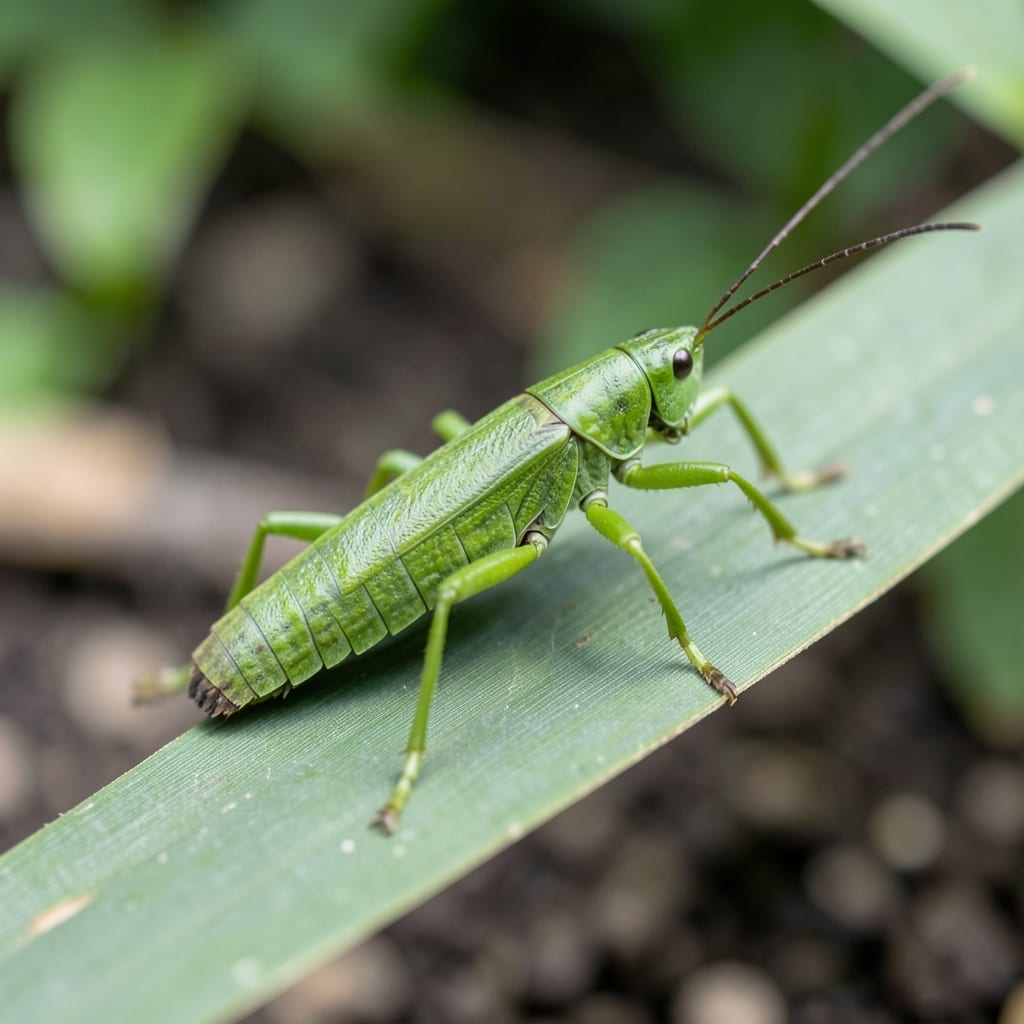
Tiny invaders can wreak havoc on your bamboo. I first noticed the damage when my prized stand developed mysterious yellowing leaves and stunted growth.
Bamboo coreid bugs are sneaky pests that feed on sap, weakening plants over time. They’re small but leave behind visible signs like leaf discoloration and reduced vitality.
Left unchecked, they’ll spread quickly through your garden. The good news? With early detection and the right approach, you can stop them before they take over.
This guide covers how to spot them, the damage they cause, and the most effective ways to protect your bamboo for good.
The presence of bamboo coreid bugs in your garden is rarely random. These pests thrive under specific conditions, often tied to the health of your bamboo and surrounding environment. Understanding the root causes helps you address the problem effectively and prevent future outbreaks.
Bamboo plants grown in dense clusters or under stress are prime targets. When bamboo is overcrowded, airflow is restricted, creating a humid microclimate that coreid bugs love. Stressors like poor soil quality, inadequate watering, or physical damage (e.g., from pruning or storms) weaken the plant, making it more susceptible to infestation. Action: Thin out bamboo groves and ensure optimal growing conditions to reduce vulnerability.
Fallen leaves, dead culms, and other organic debris provide shelter and breeding grounds for coreid bugs. These materials retain moisture and harbor eggs, allowing populations to explode unnoticed. Action: Regularly clear debris around bamboo bases and dispose of it far from your garden to disrupt their lifecycle.
Coreid bugs are most active in tropical and subtropical regions, where warm temperatures (70–90°F) and high humidity (60%+) accelerate their reproduction. Even in temperate zones, greenhouses or poorly ventilated areas can mimic these conditions. Action: Improve ventilation and consider shade cloths in peak summer to moderate the environment.
In balanced ecosystems, predators like birds, spiders, and parasitic wasps keep coreid bug numbers in check. However, pesticide overuse or monoculture planting (e.g., only bamboo) can eliminate these natural controls. Action: Encourage biodiversity by planting companion species (e.g., marigolds, basil) and reducing broad-spectrum chemical treatments.
Dealing with these pests in your bamboo grove? Start by addressing the root causes with these targeted fixes.
Thin out dense bamboo clusters to improve airflow and reduce hiding spots. Remove older or damaged culms at ground level using clean pruning shears. This discourages the bugs from settling in.
Fix drainage issues by amending soil with organic matter or installing French drains. Water bamboo deeply but less frequently—early morning is best—to allow foliage to dry. Avoid overhead watering to keep the environment less inviting.
Encourage beneficial insects like ladybugs and lacewings by planting companion flowers (e.g., marigolds, alyssum). Avoid broad-spectrum pesticides, which harm these helpful predators. A balanced ecosystem keeps coreid bug populations in check.
Regularly clear fallen leaves, dead culms, and leaf litter around bamboo. This removes breeding grounds and food sources. Use a rake or leaf blower weekly during peak seasons.
Adults are small, flattened, and brown with long antennae. Nymphs are tinier and often green or yellow. Check leaf undersides where they hide during the day.
Severe infestations can weaken plants within 2-3 weeks. Yellowing leaves and stunted growth appear first. Early action prevents permanent harm.
Not usually. Start with neem oil or insecticidal soap. Introduce ladybugs as natural predators. Chemicals should be a last resort.
They primarily target bamboo but may move to related grasses. Isolate affected plants and remove debris to contain them.