
Beautiful Plants For Your Interior
Beautiful Plants For Your Interior
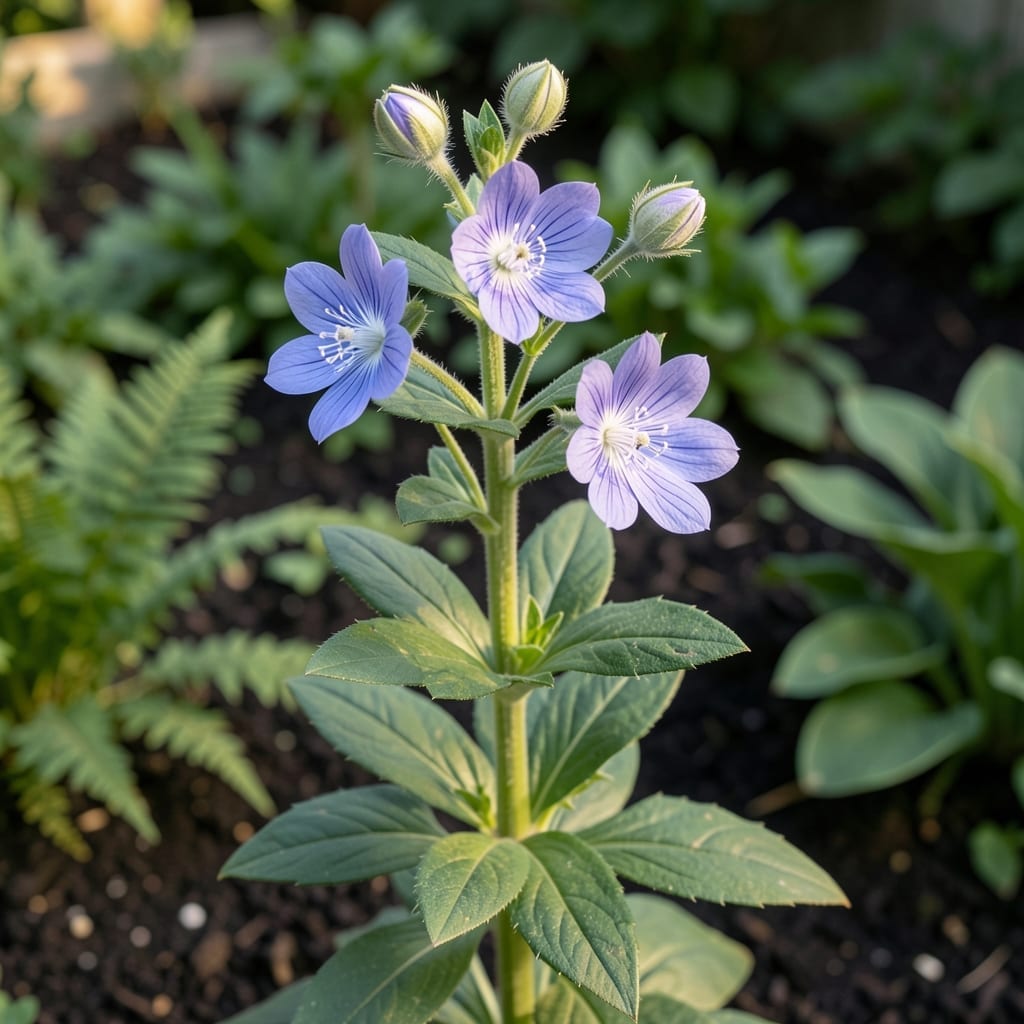
Timing is everything when it comes to enjoying the unique, balloon-like blooms of the 🌸 Balloon Flower. These charming plants bring vibrant purple, pink, or white flowers to your garden, but only if you understand their natural rhythm.
I’ve learned that getting the timing right means the difference between a lackluster display and a perfect summer showcase. Whether you’re planting in zones 4-9 or adjusting for your local climate, knowing the schedule is key.
Let me walk you through when to expect those stunning blooms and how to keep them thriving. You’ll discover simple tricks to maximize your Balloon Flower’s potential all season long.
If you’re wondering when your balloon flowers will burst into those iconic puffy buds, timing depends on your climate and care. In most regions, Platycodon grandiflorus blooms from mid to late summer, typically starting in July.
These hardy perennials thrive in USDA zones 4-9, with their bloom time lasting about 4-6 weeks. Warmer climates may see earlier flowers, while cooler areas might start a bit later. The key is watching for those balloon-like buds to swell before they open into star-shaped blossoms.
| Stage | Timeframe | Key Trigger |
|---|---|---|
| Bud Formation | Early Summer | Longer daylight hours |
| Bud Swelling | Mid Summer | Warm temperatures |
| Full Bloom | July-August | Consistent moisture |
The balloon flower bloom time is heavily influenced by sunlight exposure. These plants need at least 6 hours of sun daily, though they’ll tolerate partial shade. Too little light can delay blooming or reduce flower quantity.
Soil conditions also play a role. Well-draining soil with a neutral pH encourages timely blooms. If your soil is too compact or waterlogged, the plant may struggle to produce its signature puffy buds on schedule.
Temperature is another critical factor. Balloon flowers prefer moderate summer temps between 65-75°F. Extreme heat can cause buds to open prematurely, while cooler temps might delay the process. Watch for bud swelling as the first sign that blooming is near.
In my garden, I’ve noticed that consistent watering helps maintain a steady bloom cycle. Avoid letting the soil dry out completely, but also prevent soggy conditions. A balanced approach keeps the plant healthy and on track for its natural summer bloom time.
If you’re in a region with a shorter growing season, starting seeds indoors in early spring can help ensure blooms by mid-summer. This gives the plants a head start, especially in cooler zones where the outdoor season is limited.
Once the flowers appear, you’ll enjoy their vibrant colors for weeks. Deadheading spent blooms can encourage a second, smaller flush of flowers later in the season, extending your balloon flower bloom time even further.
Finally, remember that patience is key with these plants. First-year balloon flowers may focus on establishing roots rather than blooming. But by the second year, you’ll typically see a full, vibrant display during their peak season.
✂️I’ve found that with the right care, you can extend balloon flower bloom time well beyond its natural window. These plants typically flower for 4-6 weeks in mid to late summer, but simple techniques can coax out extra blooms.
One of my favorite tricks is deadheading spent flowers. By removing faded blooms, you prevent seed formation and encourage the plant to produce new buds. This can trigger a second, smaller flush of flowers later in the season.
Proper watering techniques are crucial for prolonging blooms. I water my balloon flowers deeply once a week, more often during heatwaves. Always water at the base of the plant to avoid wetting the foliage, which can lead to disease.
A balanced fertilizer applied every 4-6 weeks during the growing season gives plants the nutrients they need to produce more flowers. I use a 10-10-10 formula, but be careful not to over-fertilize, as this can lead to leafy growth at the expense of blooms.
In hotter climates, providing afternoon shade can prevent heat stress that might cut the blooming period short. A little protection during the hottest part of the day can make a big difference in flower longevity.
Finally, don’t underestimate the power of good soil preparation. Amend your planting area with compost before planting to ensure good drainage and fertility. Healthy soil equals happy plants with longer bloom times. ✂️