
Beautiful Plants For Your Interior
Beautiful Plants For Your Interior
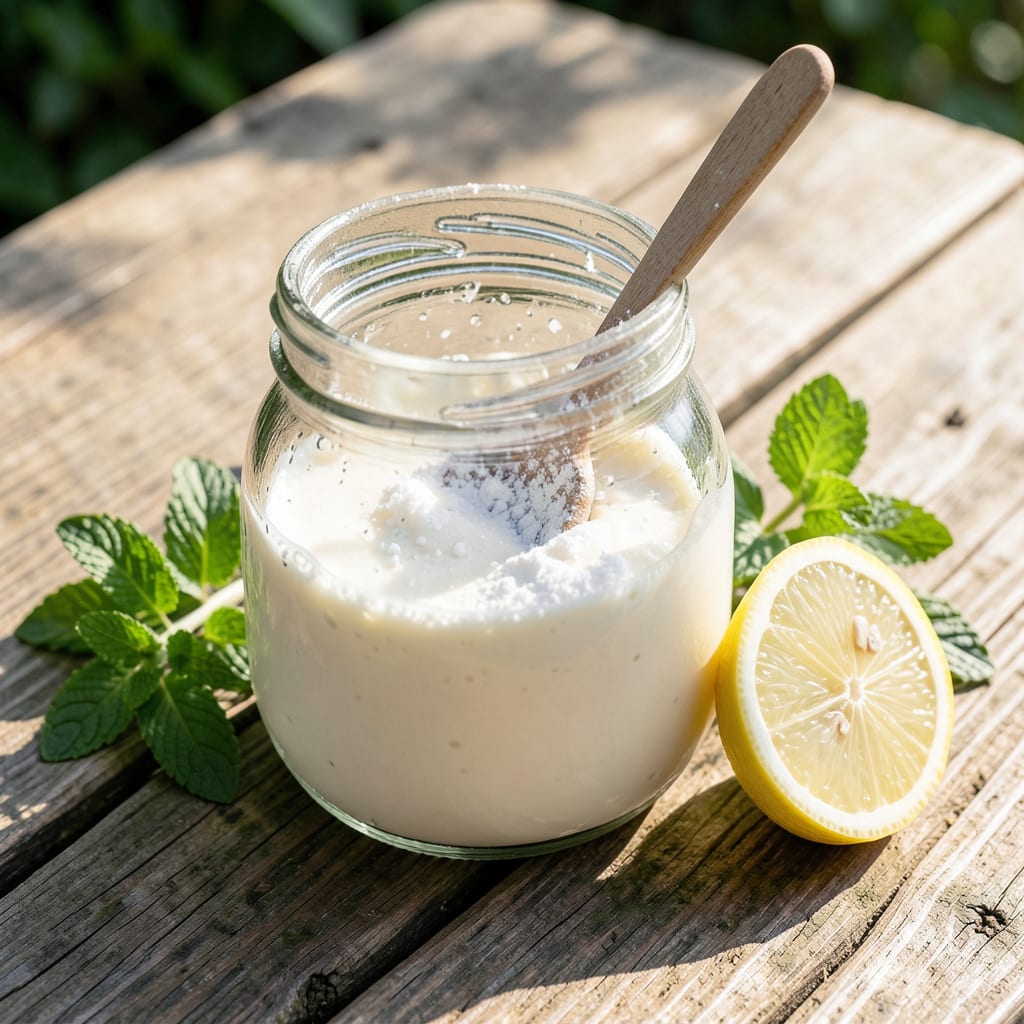
That white powder on your leaves isn’t flour—it’s trouble. Powdery mildew spreads fast, but I’ve stopped outbreaks in their tracks with a simple household ingredient.
This natural fungicide costs pennies per gallon and works on everything from roses to zucchini. The key is mixing it right and applying at the first sign of trouble, before the spores take over your garden.
Plants bounce back with healthier leaves within days, and the solution prevents new infections when used weekly. No harsh chemicals, just science-backed protection that won’t harm pollinators.
Works best in dry weather, applied to both sides of leaves. Here’s the exact recipe that saved my summer harvest.
Powdery mildew is a common fungal disease that thrives under specific environmental conditions. Understanding its causes can help you prevent outbreaks and use remedies like a baking soda mixture more effectively. Below are the primary factors that contribute to its development:
This fungus flourishes in environments with relative humidity above 60%, especially when combined with moderate temperatures (60–80°F). High humidity provides the moisture fungi need to germinate and spread, even without wet foliage. Poor air circulation exacerbates the problem by trapping humidity around plant surfaces.
Watering plants from above—particularly in the evening—creates prolonged leaf wetness. While powdery mildew doesn’t require free water to infect, damp conditions encourage spore production. Switch to drip irrigation or soaker hoses to keep foliage dry and reduce fungal growth opportunities.
Dense plantings restrict airflow, creating a microclimate with stagnant, humid air. This is especially common in greenhouses or shaded garden beds. Thin out plants or prune excess growth to improve ventilation and lower humidity at the canopy level.
Some plants, like roses, cucumbers, zucchinis, and phlox, are genetically predisposed to powdery mildew. These varieties often lack natural resistance, making them easy targets. Opt for disease-resistant cultivars when possible, or apply preventative sprays like a baking soda solution early in the growing season.
Excess nitrogen promotes lush, soft growth that’s more vulnerable to fungal infections. Conversely, potassium and silicon strengthen cell walls, helping plants resist pathogens. Balance your fertilizer ratios and incorporate compost to boost plant resilience.
Powdery mildew doesn’t have to spell disaster for your garden. With a simple baking soda mixture, you can tackle the fungus effectively and restore your plants’ health. Below are practical solutions based on the root causes, along with prevention tips to keep your garden thriving.
If you spot white, powdery patches on leaves, act fast. Mix 1 tablespoon of baking soda, 1 teaspoon of liquid soap (as a surfactant), and 1 gallon of water in a spray bottle. Shake well and apply evenly to affected leaves, covering both tops and undersides. Reapply every 7–10 days or after rain for best results. The baking soda disrupts the fungus’s pH balance, stopping its spread.
Powdery mildew thrives in damp, stagnant conditions. Combat this by pruning overcrowded branches to enhance airflow and reduce humidity around plants. Water at the base of the plant (not the leaves) and do so early in the day so foliage dries quickly. A small fan can also help circulate air in greenhouses or indoor setups.
Stressed or malnourished plants are more susceptible. Boost their resilience by applying compost or organic fertilizer to improve soil health. Avoid excessive nitrogen, which promotes tender growth that’s more vulnerable to fungi. Additionally, remove and destroy heavily infected leaves or plants to prevent the fungus from spreading.
With these steps, your baking soda mixture and proactive habits will keep powdery mildew at bay—naturally and effectively! ✨
Apply the mixture every 7–10 days as a preventative measure. For active infections, spray immediately and repeat every 5–7 days until the mildew clears. Always reapply after rain.
Use a mild liquid soap like Castile or dish soap without additives. Avoid detergents or soaps with degreasers, as they can harm plants. 1 teaspoon per gallon is the safe ratio.
No, the baking soda mixture is safe for pollinators and beneficial insects when used as directed. Unlike chemical fungicides, it targets only the fungal spores on plant surfaces.
Apply early in the morning on a dry, sunny day. This allows leaves to dry quickly, maximizing effectiveness. Avoid spraying in direct midday sun or evenings.
