
Beautiful Plants For Your Interior
Beautiful Plants For Your Interior
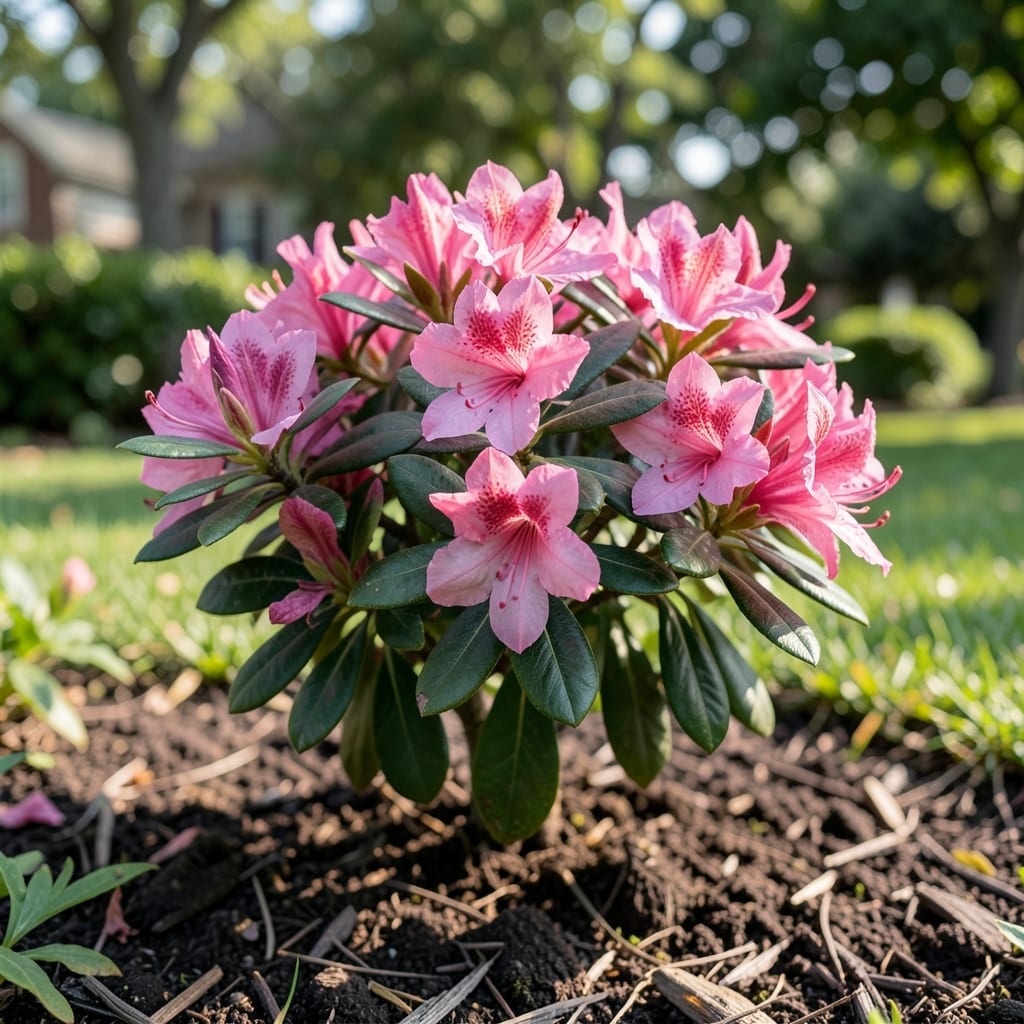
Azaleas dazzle with their vibrant blooms, but getting their light conditions wrong can leave you with a lackluster display. The 🌸 Azalea is the key to transforming your garden into a colorful oasis.
Understanding whether these shrubs thrive in sun or shade makes all the difference. Many gardeners struggle with positioning, only to see their plants underperform.
I’ll share practical tips for outdoor cultivation that ensure your Azaleas get just the right amount of light. No more guessing games—just vibrant, healthy growth.
Discover how to balance sunlight and shade for stunning results. Your garden will thank you for it.
 Best Window Placement
If you’ve ever admired azalea bushes in full bloom, you know their vibrant colors demand attention. But to achieve that, I’ve learned light exposure is everything. These plants aren’t just picky—they’re goldilocks plants needing just the right amount of sun and shade.
Most azalea varieties thrive in partial shade, meaning 4-6 hours of sunlight daily. Too much direct sun can scorch their leaves, while deep shade leads to weak growth and fewer blooms. It’s all about balance.☀️
| Light Requirement | Specification |
|---|---|
| Ideal Hours | 4-6 daily |
| Best Time | Morning sun |
| Shade Tolerance | High |
| Avoid | Afternoon sun |
I’ve found deciduous azaleas handle more sun than evergreen types. The former can tolerate full morning sun with afternoon shade, while the latter often prefer dappled light throughout the day. This distinction is crucial for planning your garden layout.
In my experience, morning sunlight is gentler and helps dry excess moisture on leaves, reducing fungal risks. Afternoon sun, especially in hotter climates, can be too intense. That’s why east-facing locations are often ideal for azaleas.
For those in southern regions, I recommend providing more shade, especially during peak summer. In cooler northern climates, azaleas can handle a bit more sun. Always observe your plants—leaf scorch or fading blooms are signs of too much light.
The quality of light matters too. Filtered light through trees is perfect, mimicking their natural woodland habitat. If planting under trees, ensure they’re not too dense, as complete shade will reduce flowering.
I’ve also noticed that container-grown azaleas give you more control. You can move them to follow the ideal light conditions throughout the day. Just
Seasonal changes affect light needs too. In spring and fall, azaleas can handle more sun. But during summer’s heat, even sun-loving varieties appreciate some afternoon shade. This adaptability makes them versatile for many garden settings.
Finally, remember that soil moisture and light exposure work together. Azaleas in sunnier spots may need more frequent watering, while those in shadier areas retain moisture longer. It’s all about finding that sweet spot for your specific variety.🌱
I’ve found that azaleas thrive with partial shade, especially in hotter climates. They love morning sun but need afternoon protection to prevent leaf scorch. This balance keeps their blooms vibrant and foliage healthy.
For cooler regions, 6 hours of sun can work, but dappled light is always safer. I position mine under taller trees or near structures that cast gentle shadows throughout the day.
In containers, I rotate my azalea pots to ensure even light exposure. A quarter turn weekly keeps growth balanced. This is especially important on patios with limited natural light variation.
Watch for signs of stress like brown leaf edges or fewer blooms. These often indicate too much direct sun. If you notice this, move your plant to a shadier spot or add a shade cloth during peak hours.
For northern gardens, where sunlight is less intense, azaleas can tolerate more sun exposure. I’ve successfully grown them in full sun in these areas, but always with consistent moisture to compensate.
Remember that soil quality affects light tolerance too. Rich, acidic soil helps azaleas better handle sun exposure. I always amend planting areas with compost and peat moss for optimal results.
With the right light balance, your azaleas will reward you with spectacular blooms year after year. It’s all about observing your specific growing conditions and adjusting as needed 🌿