
Beautiful Plants For Your Interior
Beautiful Plants For Your Interior
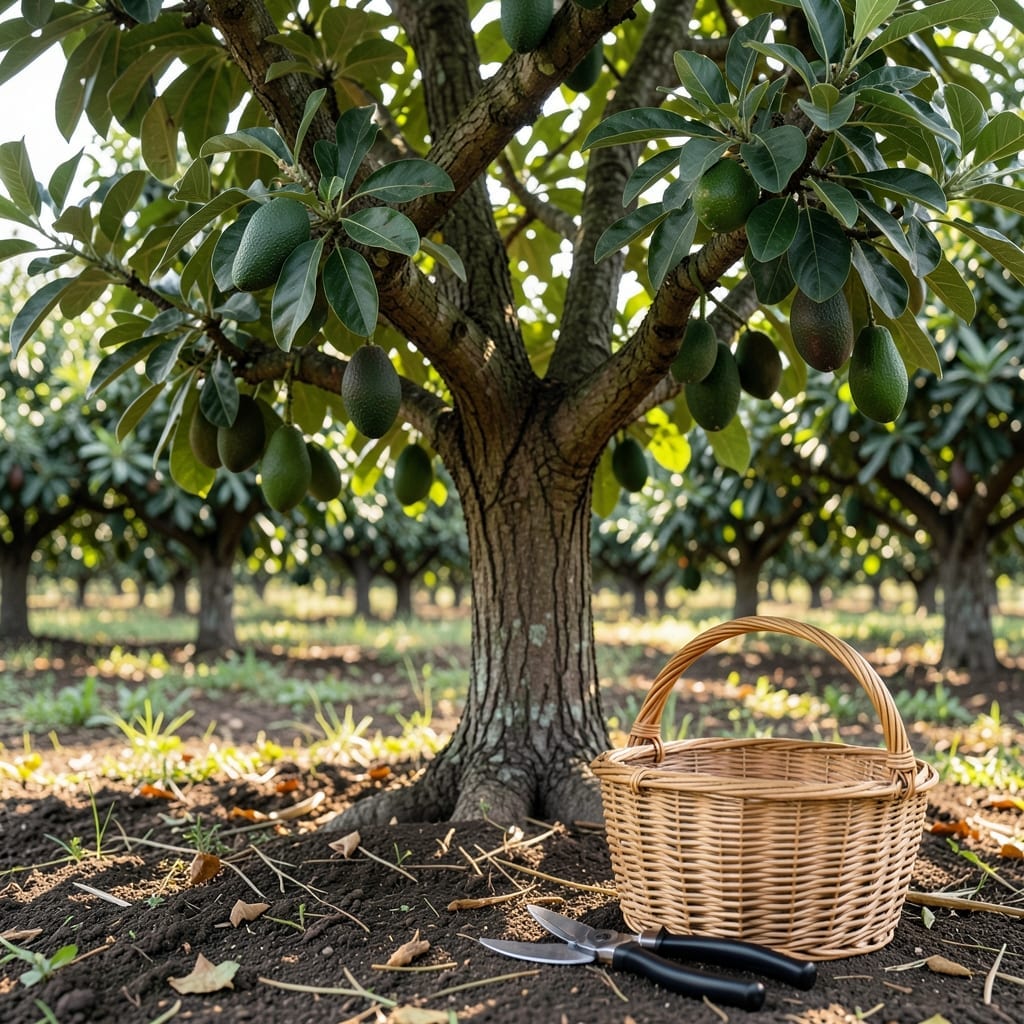
Timing is everything when growing Avocado trees, and getting it wrong can cost you a season of potential harvests. I learned this the hard way when my first attempt struggled due to poor timing.
Whether you’re in zones 9-11 or experimenting in containers, knowing when to plant makes all the difference. The spring window from March to June is your golden opportunity.
But it’s not just about planting—harvest timing matters too. For most varieties, you’ll be picking fruit from July through September when conditions are right.
Let me walk you through how to align your efforts with nature’s calendar for the best results. The difference in yield will surprise you.
If you’ve ever wondered why your avocado tree isn’t thriving, timing might be the issue. The growing season varies drastically by climate zone, and planting at the wrong time can stunt growth or even kill young trees.
In tropical zones like Florida or Hawaii, avocados can be planted year-round, but spring remains ideal for the best start. For subtropical areas like California, March to June is prime planting time.
| Climate Zone | USDA Zone | Best Planting Time | Frost Risk |
|---|---|---|---|
| Tropical | 10-11 | Year-round, spring ideal | Low |
| Subtropical | 9-10 | March – June | Moderate |
| Temperate | 8-9 | Late spring | High |
For temperate climates with colder winters, waiting until late spring ensures soil is warm enough. USDA zones 8-9 should avoid planting before the last frost date, typically around March 15.
I always recommend checking your local frost dates before planting. A sudden cold snap can damage young avocado trees, especially in zone 9 where temperatures can dip unexpectedly.
In container gardens, you have more flexibility. I’ve successfully grown avocados in pots in zone 8 by moving them indoors during winter months. This method works well for dwarf varieties like Wurtz or Holiday.
Hass avocados thrive in zones 9-11, while Fuerte avocados prefer slightly cooler zones 9-10. Choosing the right variety for your zone maximizes your chances of a bountiful harvest.
Remember, well-draining soil is non-negotiable. Avocados hate wet feet, so amending heavy clay with sand or compost is essential. I’ve seen too many trees suffer from root rot in poorly drained areas.
If you’re in a coastal area, salt spray can be an issue. Planting near a windbreak or using a salt-tolerant variety like Lamb Hass can help. Also, morning sun is gentler than harsh afternoon rays.
Finally, mulching helps retain moisture and regulate soil temperature. I use a 3-inch layer of organic mulch, keeping it 6 inches away from the trunk to prevent rot. This simple step can make a big difference in dry climates.
With the right timing and care, your avocado tree can thrive for decades, providing shade and fruit for generations to come 🌳
Several key factors determine when your avocado tree will bear fruit. I’ve found that tree age plays a huge role—most varieties take 3-4 years to produce their first harvest.
Another major influence is the avocado variety. Hass avocados, for example, typically ripen later in the season compared to Fuerte avocados, which may mature earlier. ☀️
Pollination is another critical factor. Avocados have unique flowering patterns, and cross-pollination between compatible varieties can significantly improve fruit set and yield.
Seasonal weather patterns also impact timelines. A warm, frost-free climate encourages faster growth, while cold snaps or excessive rain can delay fruit development and reduce quality. 🌡️
Don’t overlook soil health. Avocados thrive in well-draining, nutrient-rich soil. Poor drainage or compacted soil can stunt growth and push back your harvest timeline by months.
Finally, consistent care throughout the growing season ensures your tree stays on track. I always recommend regular watering and balanced fertilization to support steady progress toward a bountiful harvest. 🌱