
Beautiful Plants For Your Interior
Beautiful Plants For Your Interior
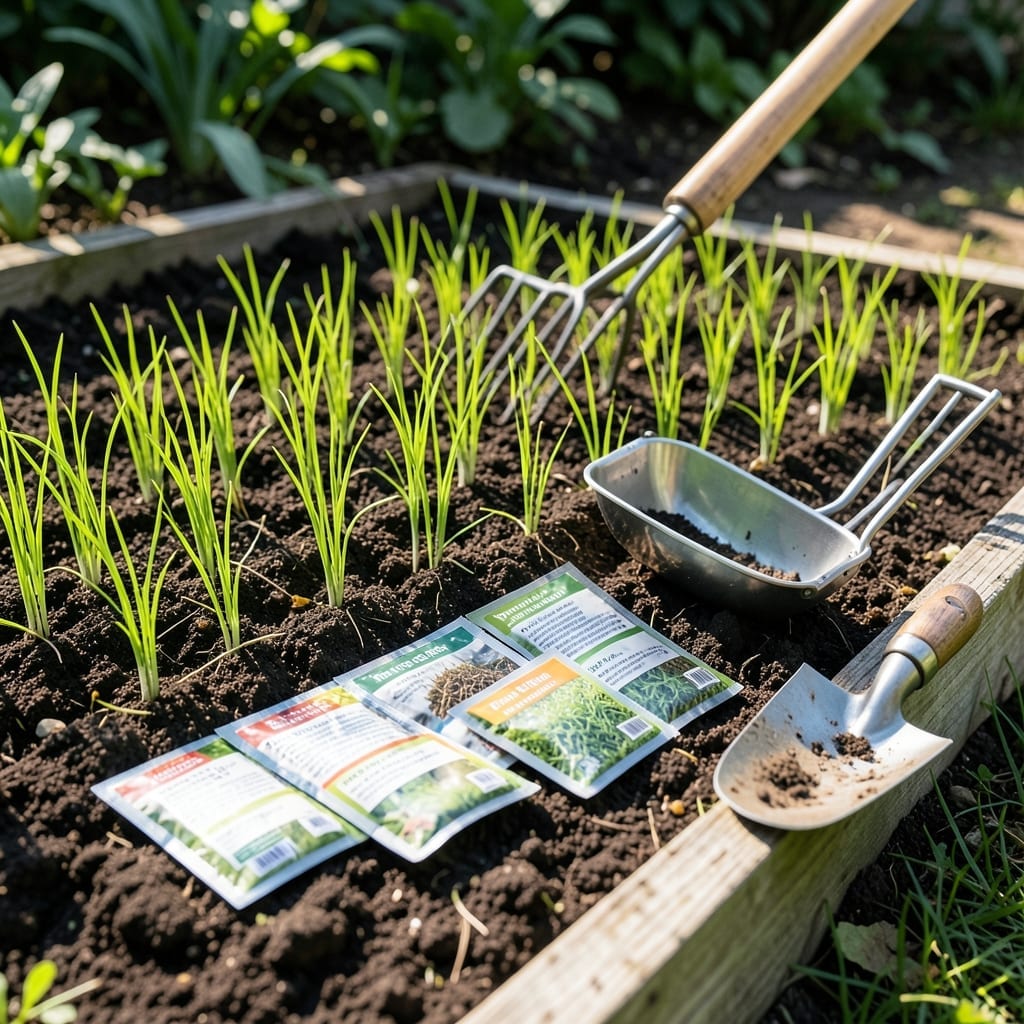
Autumn is the secret season for sowing Grass 🌱 seed, giving your lawn a head start for a thick, vibrant spring turfscape. Timing and technique make all the difference.
Cooler temperatures and reduced weed competition create ideal conditions. I’ve seen firsthand how this approach transforms sparse lawns into lush carpets of green.
Discover the step-by-step methods to prepare your soil, select the right seed, and ensure proper germination. Let’s make your lawn the envy of the neighborhood.

I’ve found that autumn sowing gives grass seed the perfect start for a lush spring lawn. The cooler air temperatures and warm soil create ideal conditions for germination.
With 4-6 weeks before the first frost, seeds establish strong root systems before winter dormancy. This timing also reduces weed competition significantly.
In my experience, September is the sweet spot for most regions. The soil stays warm from summer while the air cools, which is perfect for grass seed germination.
I also appreciate how autumn rains help maintain consistent moisture, reducing the need for manual watering. This natural irrigation supports even seed growth across the lawn.
Another advantage is fewer pests and diseases compared to spring sowing. Cooler weather means less insect activity and fungal pressure on young grass.
The moisture levels in fall are typically more stable, which prevents the seed drying out or washing away. This stability gives the grass a stronger start.
I always recommend testing soil pH before sowing. Grass prefers a slightly acidic to neutral pH, around 6.0 to 7.0, for optimal growth.
Don’t forget to aerate the soil before planting. This improves seed-to-soil contact and helps roots penetrate deeper, leading to a healthier lawn overall.
By following these autumn sowing tips, you’ll set your lawn up for success. The results speak for themselves with a thicker, greener turf come spring.
This method works especially well for cool-season grasses like Kentucky bluegrass and fescue.
I always start by preparing the soil properly for autumn grass seed sowing. Remove debris and weeds first, then loosen the top 2-3 inches of soil with a rake.
Next, I level the surface and break up any clumps. This creates the ideal seedbed for even germination and strong root development.
For seed selection, I recommend cool-season grasses like Kentucky bluegrass or tall fescue for autumn planting. These varieties thrive in cooler weather.
When sowing, use a broadcast spreader for even distribution. I find that dividing the seed into two equal parts and spreading in perpendicular directions works best.
After planting, lightly rake the area to ensure good seed-to-soil contact. This simple step dramatically improves germination rates in my experience.
Finally, water consistently but gently. I use a fine mist setting on my hose to avoid displacing seeds, keeping the soil moist but not soggy.
With proper autumn care, you’ll see green shoots within 7-21 days, depending on the grass variety.