
Beautiful Plants For Your Interior
Beautiful Plants For Your Interior
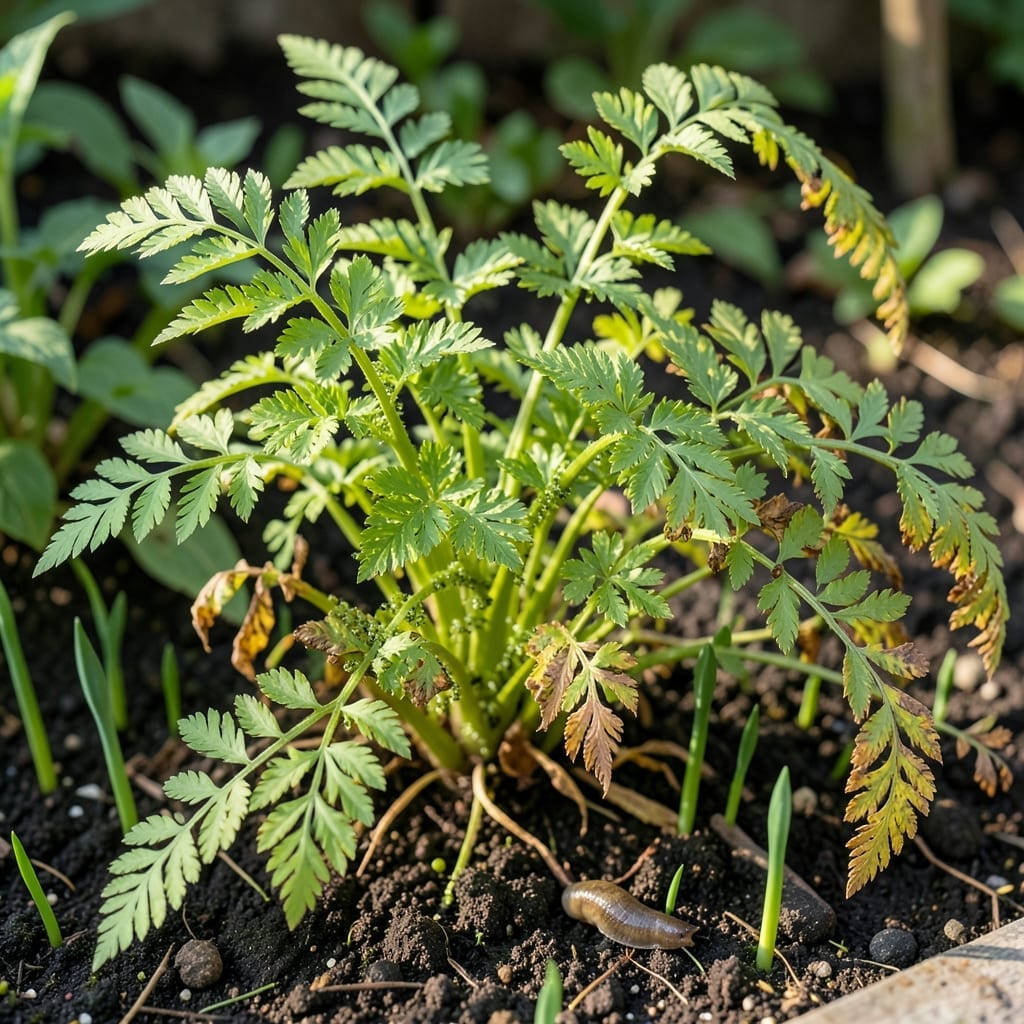
Tiny invaders can destroy your asparagus fern overnight. I’ve watched spider mites turn lush fronds into crispy skeletons in 48 hours, and it’s not pretty.
Here’s the thing—most pests announce themselves before the damage gets bad. Yellow speckling, webbing between stems, or sticky residue on leaves means trouble’s already moved in.
You’ll stop the infestation with targeted sprays and isolation, but prevention is simpler. Regular leaf inspections and proper humidity levels keep these bugs from ever getting comfortable.
Works for indoor potted ferns or outdoor garden plants. Let’s identify what you’re dealing with and shut it down.
Asparagus ferns are a magnet for pests due to a mix of environmental, biological, and cultural factors. Here’s why these invasive critters are drawn to your plant:
Excess moisture creates the perfect breeding ground for pests like fungus gnats and root mealybugs. Soggy soil deprives roots of oxygen, stressing the plant and making it more susceptible to infestation. Asparagus ferns thrive in well-draining soil, so waterlogged conditions are a direct invitation for pests to move in.
These ferns love humidity, but so do pests like spider mites and scale insects. Stagnant, moist air encourages their rapid reproduction. Without proper air circulation, humidity can turn your fern into a pest paradise. A gentle breeze or a fan can disrupt their lifecycle.
Plants under stress—whether from nutrient deficiencies, improper light, or physical damage—emit chemical signals that attract pests. Asparagus ferns in low light or with yellowing fronds (a sign of poor health) are prime targets for aphids and thrips, which feed on weakened tissues.
Skipping regular inspections or neglecting to clean fallen debris around the plant gives pests free rein. Decaying organic matter (like dead fronds) provides food and shelter for mealbugs and springtails. A little maintenance goes a long way in keeping these invaders at bay.
Tackling pests on your asparagus fern starts with identifying the culprit and applying targeted fixes. Here’s how to address common invaders and keep your plant thriving.
These tiny pests thrive in dry conditions. Blast them off with a strong stream of water, then apply neem oil or insecticidal soap weekly until they’re gone. Prevention tip: Mist your fern regularly to boost humidity and deter mites.
Dab visible bugs with a cotton swab dipped in rubbing alcohol (70%+). For heavy infestations, treat with systemic granules or spray with soapy water. Prevention tip: Inspect new plants before bringing them near your fern to avoid contamination.
Gently scrape off the hard shells with a soft toothbrush or cloth. Follow up with horticultural oil to smother remaining pests. Prevention tip: Wipe leaves monthly with a damp cloth to remove early invaders.
Let the soil dry completely between waterings to kill larvae. Use yellow sticky traps to catch adults. Prevention tip: Repot with fresh, sterile soil if gnats persist.
Pro tip: Always quarantine infested plants to protect others, and sterilize tools after use!
Check weekly during growing season, focusing on leaf undersides and stem joints. Early detection means easier treatment before pests multiply.
Yes! A 1:1 water-alcohol mix removes mealybugs, while dish soap spray works on aphids. Always test on a small area first.
Incomplete treatment or untreated nearby plants allow pests to reinfest. Isolate and retreat every 5-7 days to break their life cycle.
Neem oil and insecticidal soap are effective and plant-safe. Apply in the evening to avoid leaf burn from sun exposure.