
Beautiful Plants For Your Interior
Beautiful Plants For Your Interior
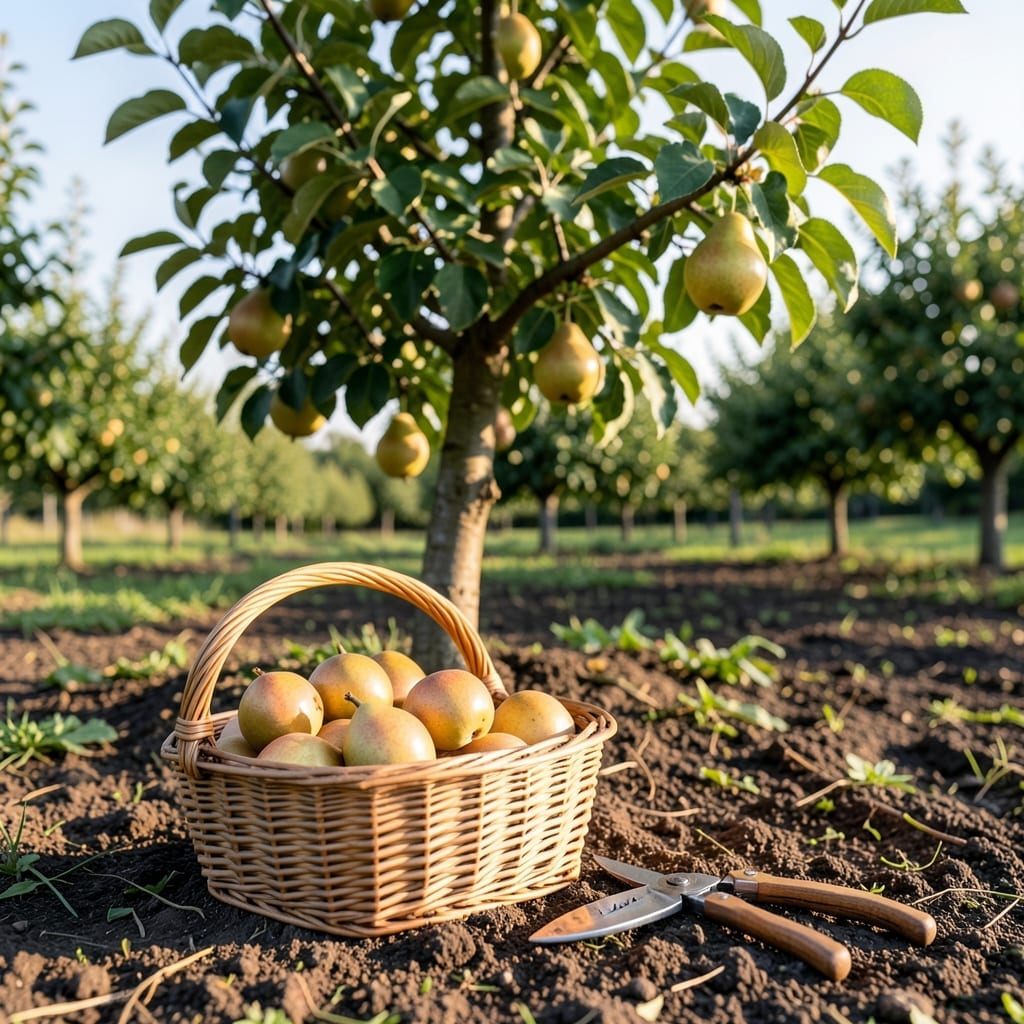
Timing is everything when it comes to harvesting Asian pears 🍐 at their sweetest, juiciest peak. The difference between a mediocre fruit and an exceptional one often comes down to knowing the right moment to pick.
Growing these crisp, apple-like fruits requires understanding their unique seasonal needs. From planting in early spring to that perfect late summer harvest, each stage matters for the best flavor and texture.
I’ll walk you through the optimal timing for planting, caring, and harvesting your Asian Pear trees. Whether you’re in zone 5-9 or just starting out, these tips will help you achieve the best results.
Discover the simple yet crucial details that make all the difference in your harvest. Let’s get started on the path to the most rewarding growing season yet.
Asian pears thrive in USDA zones 5-9, with harvest timing shifting based on your local climate. In warmer zones, like zone 9, the season may start as early as July, while cooler areas often see peak ripeness in late August to September. I’ve found these crisp fruits need consistent warmth to develop their signature sweetness.
The variety matters too—Hosui pears typically ripen 1-2 weeks earlier than Shinseiki. Early varieties often reach maturity around 120-140 days after blooming, while late-season types may need up to 160 days. This variation lets gardeners in different regions enjoy fresh Asian pears.
| Climate Zone | Harvest Window | Key Varieties |
|---|---|---|
| Zones 5-6 | Late Aug – Early Sept | Shinseiki, Kosui |
| Zones 7-8 | Mid July – Late Aug | Hosui, Ya Li |
| Zone 9 | Early July – Mid Aug | 20th Century, Tsu Li |
In my experience, spring frosts can delay blooming, which pushes back the entire harvest timeline. If your area had a late cold snap, expect Asian pears to ripen about 7-10 days later than usual. I always track the last frost date to predict my harvest window more accurately.
For gardeners in cooler climates, choosing early-maturing varieties is key. I’ve had success with Kosui pears, which often ripen 2 weeks sooner than standard types. This adaptability makes Asian pears a great choice for diverse growing conditions.
Temperature swings during fruit development can affect sweetness. I’ve noticed that consistent 75-85°F days produce the juiciest pears, while extreme heat can lead to smaller fruit or premature dropping. Monitoring weather patterns helps me time my harvest perfectly.
Soil conditions also play a role in season length. Well-draining, fertile soil encourages steady growth, while poor drainage can stunt development. I always amend my planting site with compost to give my Asian pear trees the best start.
Remember that pollination partners can impact yield timing. Most Asian pear varieties need cross-pollination from a different cultivar. I plant at least two compatible varieties to ensure consistent fruit set and a full harvest season.
Finally, watch for local microclimates in your garden. A sunny south-facing slope might produce ripe pears a week earlier than a shady north side. I’ve learned to scout my trees daily as harvest time approaches to catch each fruit at its peak. ☀️
With these climate considerations in mind, you can predict your Asian pear season with confidence. The key is observing your specific conditions and adjusting expectations accordingly. 🌱
Knowing the exact moment to pick Asian pears ensures the best flavor and texture. Unlike European pears, they ripen on the tree and don’t soften after picking. I always watch for visual and tactile cues to get it right.
Look for a color shift from deep green to yellow or brown. The fruit should also give slightly when gently pressed near the stem. A sweet aroma is another tell-tale sign they’re ready.
I always test one fruit first. If it’s still hard and green, wait a few days. Overripe pears can become mealy, so timing is critical. Early varieties like Hosui may be ready in late July, while others peak in September.
Another trick is the stem separation test. Gently lift the fruit and twist—if it detaches easily, it’s ready. If it resists, leave it for another 3-5 days and check again.
Remember, Asian pears won’t continue ripening off the tree like Bosc or Bartlett pears. Once picked, they’re at their peak sweetness and crispness. Store them in a cool, dry place to maintain freshness.
If you’re unsure, taste-testing is the best way to confirm. A perfectly ripe Asian pear will be juicy, sweet, and have that signature crunch with every bite 🌿