
Beautiful Plants For Your Interior
Beautiful Plants For Your Interior
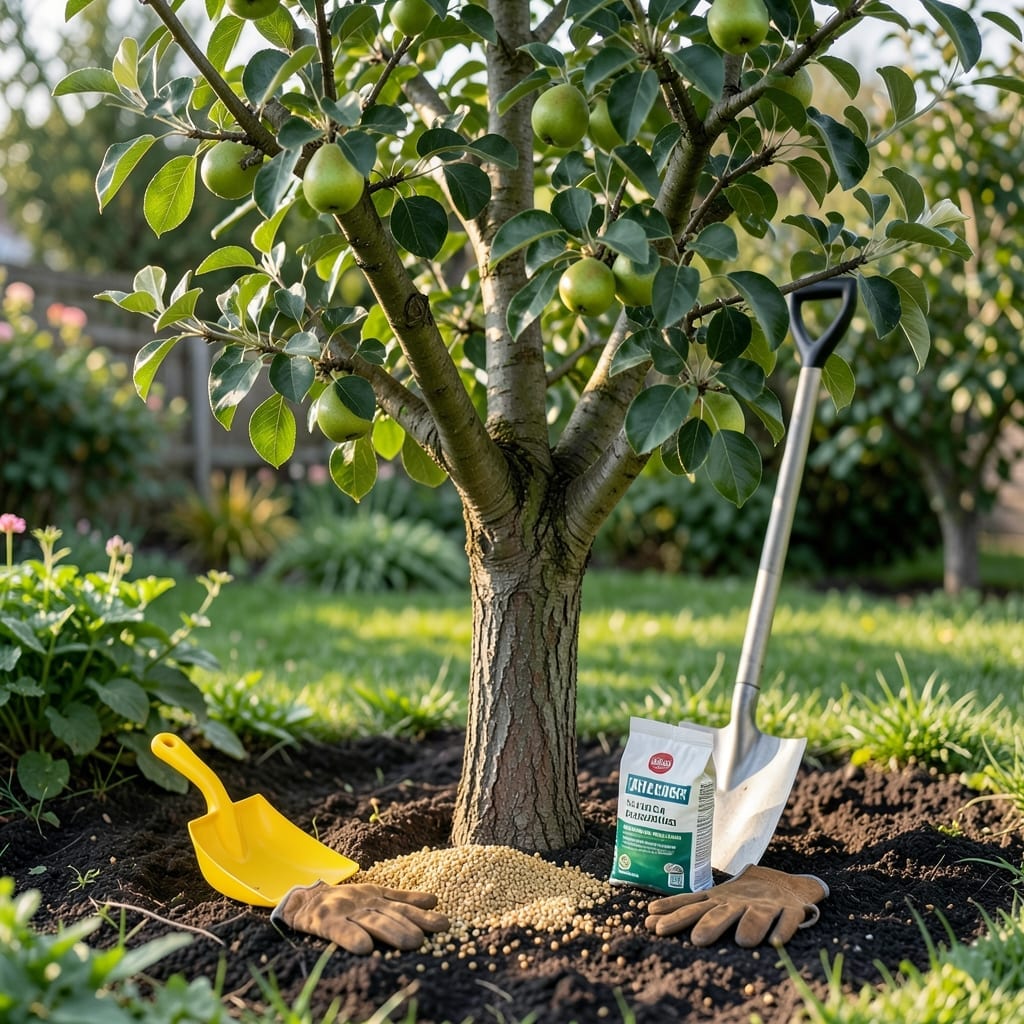
Growing sweet, juicy Asian Pear Trees 🍐 requires more than just sunlight and water. The real magic happens underground, where the right nutrients can transform your harvest from mediocre to extraordinary.
I’ve seen too many gardeners struggle with small, bland fruit simply because they overlooked this critical step. Proper fertilization isn’t just helpful—it’s essential for those crisp, flavorful pears we all love.
Whether you’re new to fruit trees or looking to improve your yields, understanding how to feed your trees properly will make all the difference. The best part? It’s easier than you might think.
Discover how organic fertilizers can boost your tree’s health and productivity. Let’s dig into what really works for these beautiful trees in zones 5-9.
I’ve found that Asian pear trees thrive when their nutrient needs are matched to their growth stages. Each phase—dormant, flowering, and fruiting—demands a different approach to fertilization for optimal health and yield.
Organic fertilizers like compost, bone meal, and fish emulsion provide the balanced nutrition these trees need without harsh chemicals that can disrupt soil health. 🌱
| Growth Stage | Nutrient Focus | Recommended Fertilizer |
|---|---|---|
| Dormant | Root Development | Compost, Bone Meal |
| Flowering | Phosphorus Boost | Fish Emulsion, Kelp Meal |
| Fruiting | Potassium & Nitrogen | Worm Castings, Alfalfa Meal |
During the dormant stage, I focus on root development by applying compost and bone meal. These provide slow-release nutrients that prepare the tree for spring growth.
The flowering stage is critical for fruit set, so I use fish emulsion and kelp meal to deliver a phosphorus boost. This encourages strong blooms and healthy pollination.
Once fruiting begins, I switch to worm castings and alfalfa meal for a balanced supply of potassium and nitrogen. This supports fruit development and overall tree vigor.
I always recommend soil testing before applying any fertilizer. This helps me determine if my Asian pear tree needs additional amendments or if the soil pH needs adjusting.
Avoid over-fertilizing, as excess nitrogen can lead to leafy growth at the expense of fruit production. Stick to organic options to maintain soil health and avoid chemical buildup.
For young trees, I use 1 lb of fertilizer per application, while mature trees benefit from 2-3 lbs. This ensures they get enough nutrients without overwhelming their systems.
Timing is key—I apply fertilizer every 4-6 weeks during the growing season, tapering off in late summer to avoid stimulating new growth before dormancy. ☀️
Timing your fertilizer applications correctly is just as important as choosing the right nutrients. I always recommend starting in early spring, just as the buds begin to swell, to give your tree a strong start.
For Asian pear trees, a balanced 10-10-10 fertilizer works well, but organic options like compost or fish emulsion can be even better. Apply 1 lb for young trees and up to 3 lbs for mature ones, spreading it evenly around the base.
I’ve found that surface spreading works best for most gardeners. Simply sprinkle the fertilizer in a 2-3 foot radius around the tree, then lightly rake it into the soil. This method is simple and effective for even distribution.
For a more targeted approach, soil injection can deliver nutrients directly to the roots. This is especially useful if your soil is compacted or poor in organic matter. Just be careful not to damage the roots during the process.
Remember, less is often more when it comes to fertilizing. Over-fertilizing can lead to excessive leafy growth at the expense of fruit production. Stick to the recommended amounts and always test your soil first if possible.
Finally, morning applications are ideal because they allow the fertilizer to settle into the soil before the heat of the day. Pair this with deep watering to ensure the nutrients reach the root zone where they’re needed most.
☀️