
Beautiful Plants For Your Interior
Beautiful Plants For Your Interior
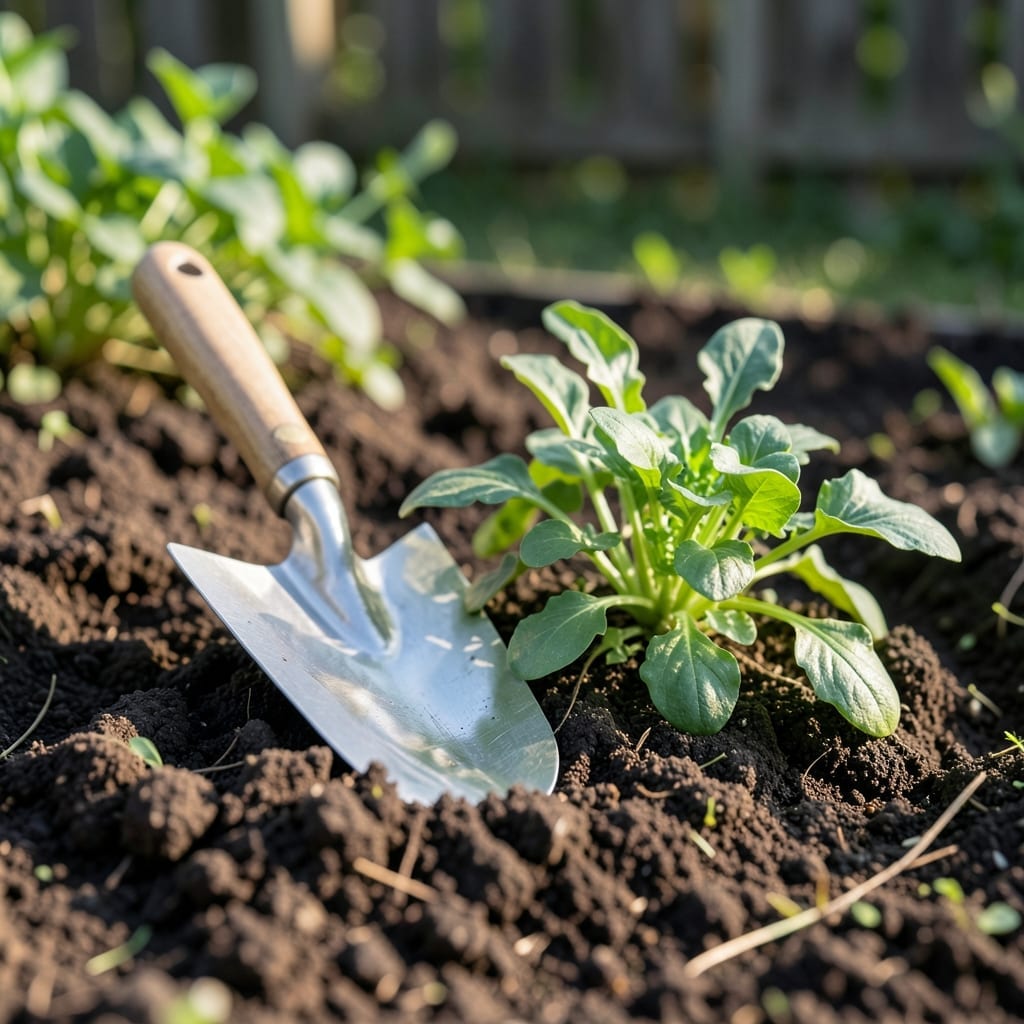
Timing your 🥬 Arugula planting right can be the difference between a bitter, bolted crop and a peppery, tender harvest. I’ve seen both outcomes firsthand, and trust me, you want the latter.
Whether you’re new to gardening or have years under your belt, knowing when to sow is the key to success. Arugula thrives in cooler weather, making spring and fall prime seasons.
In zone 6a, you’ll want to aim for March-April or August-September plantings. This timing avoids the summer heat that can turn your leaves unpleasantly sharp.
Let me walk you through exactly how to hit that perfect window for fresh, flavorful arugula every time. The secret is simpler than you might think.

Getting your arugula planting season right starts with knowing your USDA Hardiness Zone. This cool-season crop thrives in mild temperatures and can bolt quickly in heat. I’ve found that timing is everything.
In cooler zones like 3-5, you can sow seeds as soon as the soil is workable in early spring. For warmer zones 7-9, late summer or fall planting often works better to avoid the heat.
| USDA Zone | Spring Planting | Fall Planting |
|---|---|---|
| 3-5 | March-April | August-September |
| 6-7 | February-April | September-October |
| 8-9 | October-November | February-March |
For Zone 6-7, where I do most of my gardening, I aim for early spring or late summer plantings. This avoids the summer heat that makes arugula bitter and prone to bolting.
In Zone 8-9, winter planting is ideal. Arugula grows beautifully in cool winter temps and can even tolerate light frosts, which actually enhances its flavor.
If you’re in Zone 10-11, stick to fall through early spring. The mild winters allow for nearly year-round growing, but avoid the hottest summer months.
Soil temperature is another key factor. Arugula seeds germinate best at 40-60°F. I always check my soil thermometer before sowing to ensure conditions are right.☀️
For succession planting, I sow new seeds every 2-3 weeks during the optimal window. This staggered approach ensures a continuous harvest rather than one large flush of leaves.
Remember, arugula matures quickly—often in just 30-40 days. This makes it perfect for quick turnarounds between other crops or in small garden spaces.
If you’re unsure about your zone, use the USDA Plant Hardiness Zone Map online. It’s an invaluable tool for planning not just arugula, but all your seasonal plantings.🌱
I love growing arugula because it’s one of the easiest cool-season crops to extend beyond a single harvest. With the right strategies, you can enjoy peppery greens from early spring to late fall, even in mild winter climates. ✂️
Succession planting is my go-to method. I sow new seeds every 2-3 weeks to ensure a continuous supply. This works especially well in spring and fall when temperatures stay between 40°F and 75°F. 🌱
For cold frames or row covers, I recommend setting them up in late fall to shield plants from early frosts. Arugula can tolerate light frosts, but protection helps it thrive longer. 🌿
If you’re in a hot climate, focus on fall planting. I start seeds in late August or September when temperatures drop below 75°F. This avoids the bitterness that comes with heat stress.
Another trick I use is shade cloth during the peak of summer. By providing 30-50% shade, I can grow arugula in warmer months without it bolting prematurely. ☀️
Finally, don’t forget to harvest regularly. I pick young leaves often to encourage new growth and prevent the plant from going to seed too quickly. This keeps my arugula patch productive for weeks on end.