
Beautiful Plants For Your Interior
Beautiful Plants For Your Interior
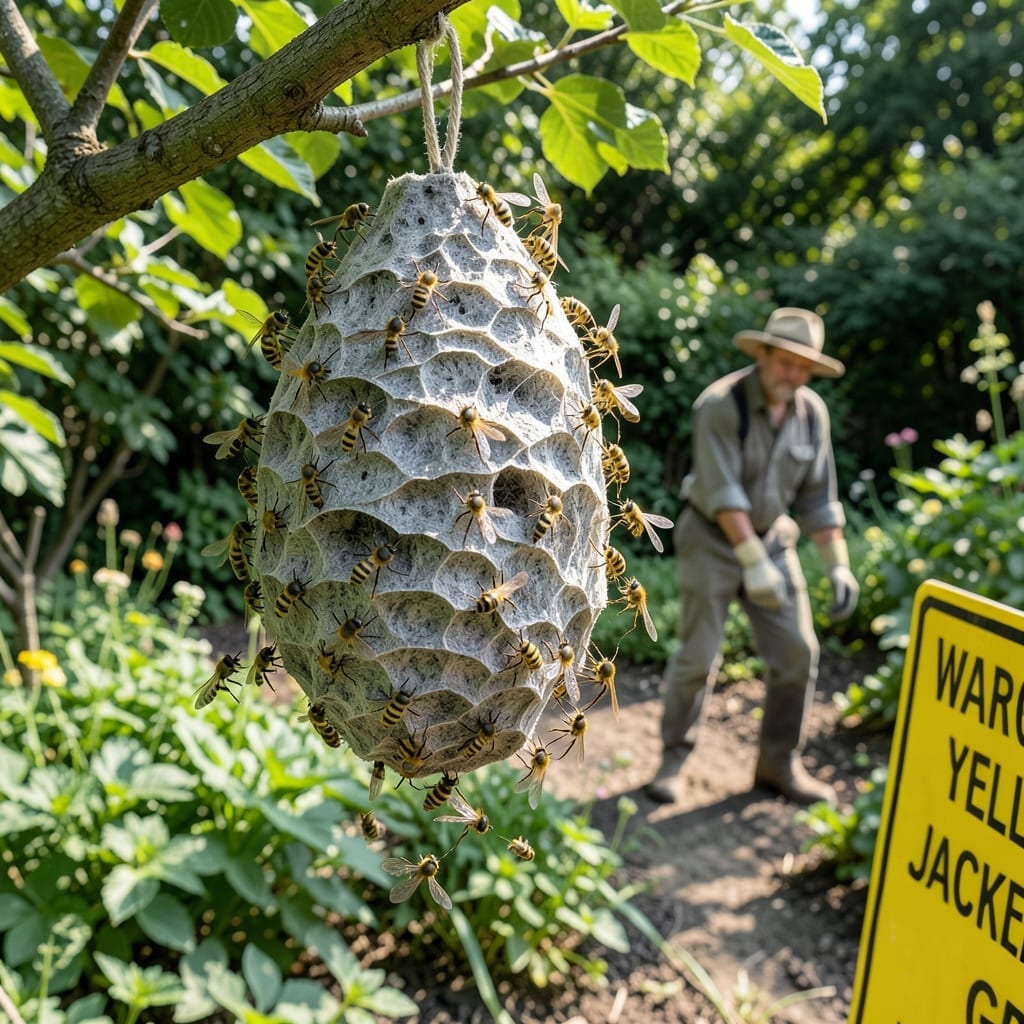
Yellow jackets are not classified as invasive in their native North American habitats but can become aggressive pests when populations explode in urban and agricultural areas.
While they naturally thrive in forests and meadows as vital predators of other insects, their presence becomes problematic when human alteration of landscapes creates ideal nesting conditions. I’ve noticed they’re particularly drawn to areas with abundant food waste or standing water. Their ecological role is actually beneficial, but the balance shifts when colonies grow unchecked near human settlements. ✨
💡 In This Article
Yellow jackets thrive across North America, from southern Canada to northern Mexico. Their natural range spans forests, meadows, and grasslands where they play a dual role as both predators and scavengers. These wasps hunt caterpillars, flies, and spiders, keeping pest populations in check while also feeding on nectar, which aids in pollination.
Unlike invasive species, yellow jackets evolved alongside native ecosystems. Their nests, often built underground or in tree cavities, provide shelter for colonies that can grow to 5,000+ workers by late summer. This rapid expansion is a natural adaptation to exploit abundant food sources during warmer months.
Human activity has altered their behavior dramatically. Urban and agricultural areas provide unlimited food waste, causing colonies to abandon their natural cycle of dying off in winter. Instead, they persist year-round in warmer climates, leading to super-colonies with 100,000+ individuals in some cases. 🔥
This population boom disrupts local ecosystems by outcompeting native pollinators for resources. While they still prey on pests, their sheer numbers can overwhelm gardens and orchards. The wasps become particularly aggressive in late summer when food sources dwindle and colonies reach peak size.
Their native status doesn’t prevent them from causing ecological imbalances. In areas with mild winters, yellow jackets can establish permanent nests, something rarely seen in their natural habitat. This adaptation demonstrates their remarkable ability to exploit human-altered environments.
What makes them ecologically valuable in wild areas becomes problematic in developed spaces. The same hunting instincts that control forest pests make them a nuisance at picnics and outdoor events. Their role shifts from beneficial predator to persistent pest based entirely on location and population density. ✨
Yes, they act as natural pest controllers by preying on flies, caterpillars, and spiders. They also pollinate flowers while feeding on nectar, supporting native plant growth.
Colonies reach peak size by late summer with 5,000+ workers, and food becomes scarce. This triggers defensive behavior as they scavenge more aggressively for protein and sugar.
In warm climates with mild winters, yes. Human-provided food sources allow some colonies to survive winter, leading to super-colonies that disrupt local ecosystems.
Avoid DIY removal—disturbing a nest can trigger mass attacks. Use commercial sprays at dusk when they’re less active, or call a professional for large nests.