
Beautiful Plants For Your Interior
Beautiful Plants For Your Interior
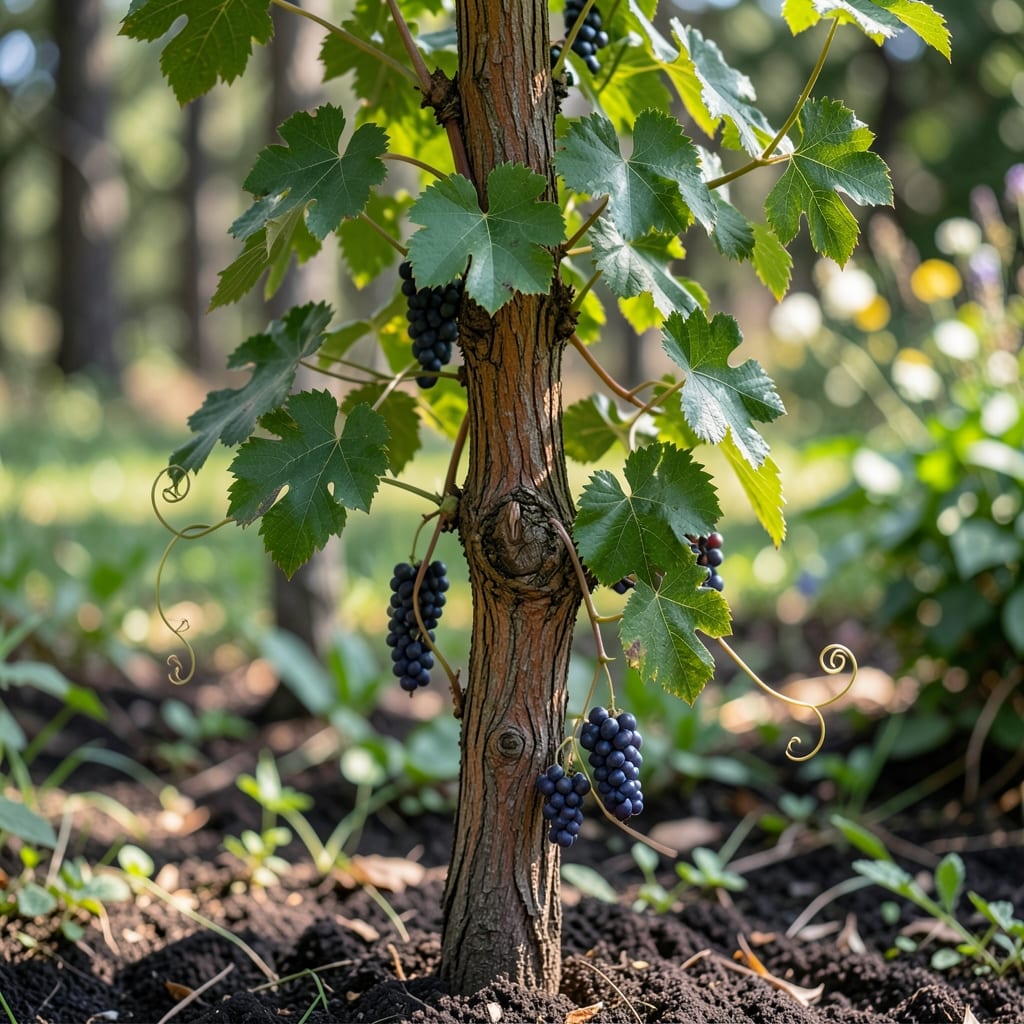
Yes, wild grape leaves are edible when properly identified and prepared. They are commonly used in cooking, especially for dolmas, but must be free of pesticides and correctly distinguished from toxic lookalikes.
I always recommend double-checking identification before consumption, as some lookalikes like Virginia creeper can cause stomach upset. 🔥 The leaves should have a distinct heart shape with toothed edges, and the vines often have forked tendrils. Proper preparation typically involves blanching to soften the texture and reduce any bitterness.
💡 In This Article
Edible wild grape leaves have a heart-shaped base with 3-5 distinct lobes and finely serrated edges. The vines are woody with forked tendrils that curl around supports, unlike Virginia creeper, which has 5-7 leaflets per cluster. This structural difference is your first visual clue. 🔥
Look for leaves growing in sunny, well-drained areas near fences or trees. True grape vines have peeling bark in older growth, while toxic lookalikes often have smooth, unpeeling stems. The leaf underside should be slightly fuzzy, not glossy or waxy, which helps distinguish them from moonseed or poison ivy.
The leaf size typically ranges from 4-8 inches across, with a texture that feels slightly rough to the touch. When crushed, edible leaves release a faint, fresh grape-like aroma, while dangerous lookalikes may smell bitter or acrid. This sensory check is crucial before harvesting. ✨
Season matters too—young leaves in spring to early summer are most tender and least bitter. Avoid leaves from vines growing near roadsides, as they may contain heavy metals from vehicle exhaust. Always harvest from areas you’ve confirmed are pesticide-free.
For absolute certainty, compare your find to a field guide or use a plant identification app. When in doubt, consult a local foraging expert. The risk of misidentification is real, but with these visual, textural, and aromatic checks, you can harvest safely. 💫
Look for heart-shaped leaves with 3-5 lobes and serrated edges on woody vines with forked tendrils. Avoid smooth-stemmed plants or those with 5-7 leaflets, which may be toxic Virginia creeper.
Blanch leaves in boiling water for 2-3 minutes, then shock in ice water. This softens texture and removes bitterness. For extra milder flavor, soak in salted water for 30 minutes afterward.
Wrap in damp paper towel and keep in an airtight container in the fridge for up to 1 week. For longer storage, blanch and freeze between parchment paper layers for up to 6 months.
Pick young leaves in spring to early summer when they’re most tender. Avoid older leaves, which become tough and bitter. Always harvest from pesticide-free areas away from roadsides.