
Beautiful Plants For Your Interior
Beautiful Plants For Your Interior
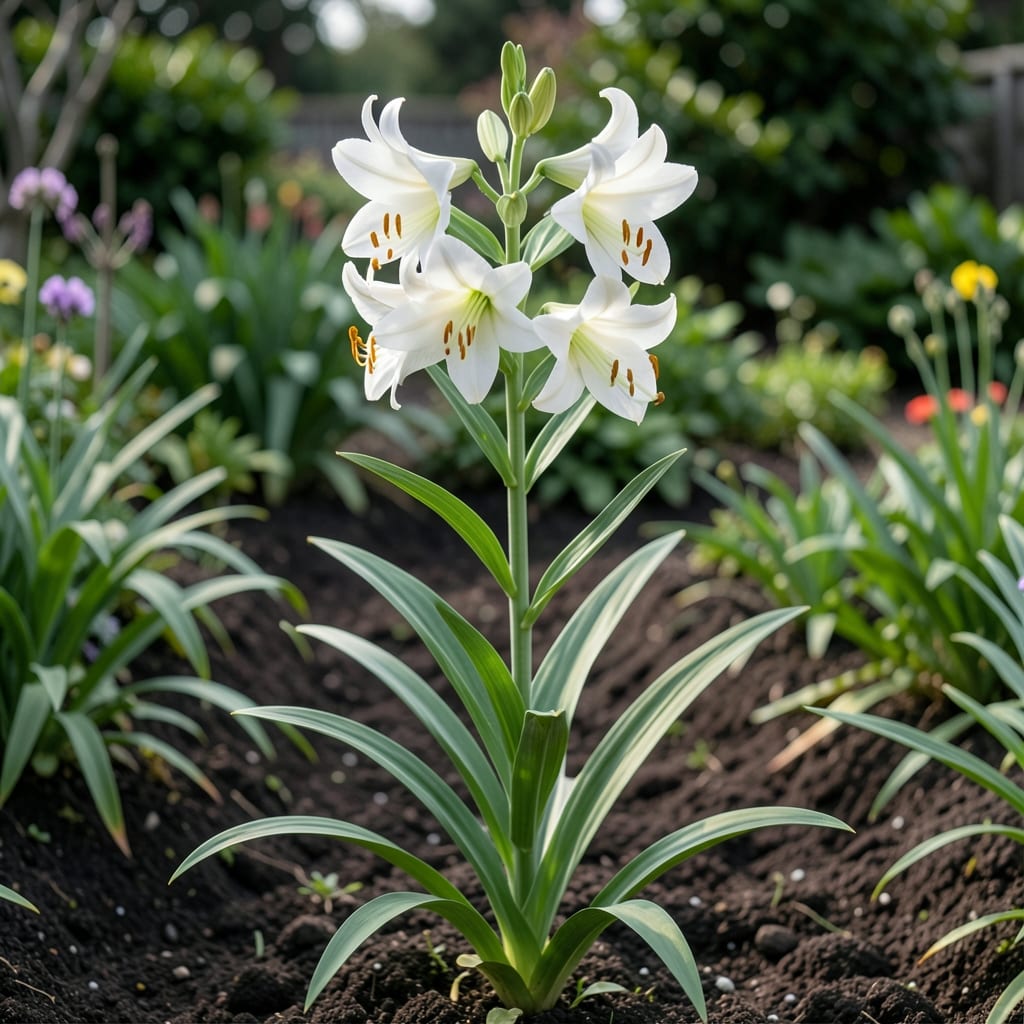
White lilies are not edible and are highly toxic to both humans and pets. All parts of the plant, including flowers, leaves, and stems, contain harmful compounds that can cause severe reactions.
These elegant flowers contain alkaloids and glycosides that trigger kidney failure in cats and gastrointestinal distress in humans. I’ve seen cases where even small amounts caused vomiting, diarrhea, or worse in pets. 🔥
For gardeners, it’s crucial to recognize that no part is safe—even pollen can be dangerous if ingested. ✨
💡 In This Article
The danger lies in naturally occurring steroidal glycosides and alkaloids concentrated in every part of the plant. These compounds disrupt cellular function, particularly in the kidneys and digestive system. In cats, even 1-2 petals or pollen on fur can trigger acute kidney failure within 24-72 hours as the toxins accumulate in renal tubules. 🔥
Humans experience a different but serious reaction. The glycosides cause violent gastrointestinal irritation, leading to nausea, vomiting, and diarrhea. The alkaloids interfere with nerve signal transmission, which can result in dizziness or irregular heartbeat in severe cases. These effects stem from the compounds’ ability to bind to cellular receptors, overstimulating normal processes.
What makes white lilies particularly treacherous is the high concentration of toxins in all parts—unlike some plants where only specific elements are dangerous. The bulb contains the highest levels, but even the nectar carries enough to cause harm. This uniformity means there’s no “safe” part to sample, even in minute quantities. ✨
Botanists classify these as Lilium candidum toxins, which are structurally similar to digitalis compounds found in foxglove. Both plant families share this defensive mechanism to deter herbivores. The similarity explains why symptoms mirror digitalis poisoning, including potential cardiac arrhythmias in susceptible individuals.
For gardeners, the risk extends beyond ingestion. Simply handling the plants and then touching your mouth or eyes can transfer residual toxins. The compounds remain stable even after the flowers are cut, meaning bouquets pose the same dangers as live plants. Always wear gloves when pruning and wash hands thoroughly afterward. ⚡
Ingesting any part triggers severe gastrointestinal distress in humans, including nausea, vomiting, and diarrhea. The toxins can also cause dizziness or irregular heartbeat in serious cases.
Cats are extremely sensitive to the plant’s steroidal glycosides, which cause acute kidney failure even in tiny amounts. Just 1-2 petals or pollen on fur can be fatal within 24-72 hours.
No, all parts—flowers, leaves, stems, bulbs, and even pollen—contain harmful compounds. There is no safe quantity or part to consume.
Remove all white lilies from your home and garden. Choose pet-safe flowers like roses or sunflowers instead. Keep bouquets with lilies in inaccessible areas.