
Beautiful Plants For Your Interior
Beautiful Plants For Your Interior
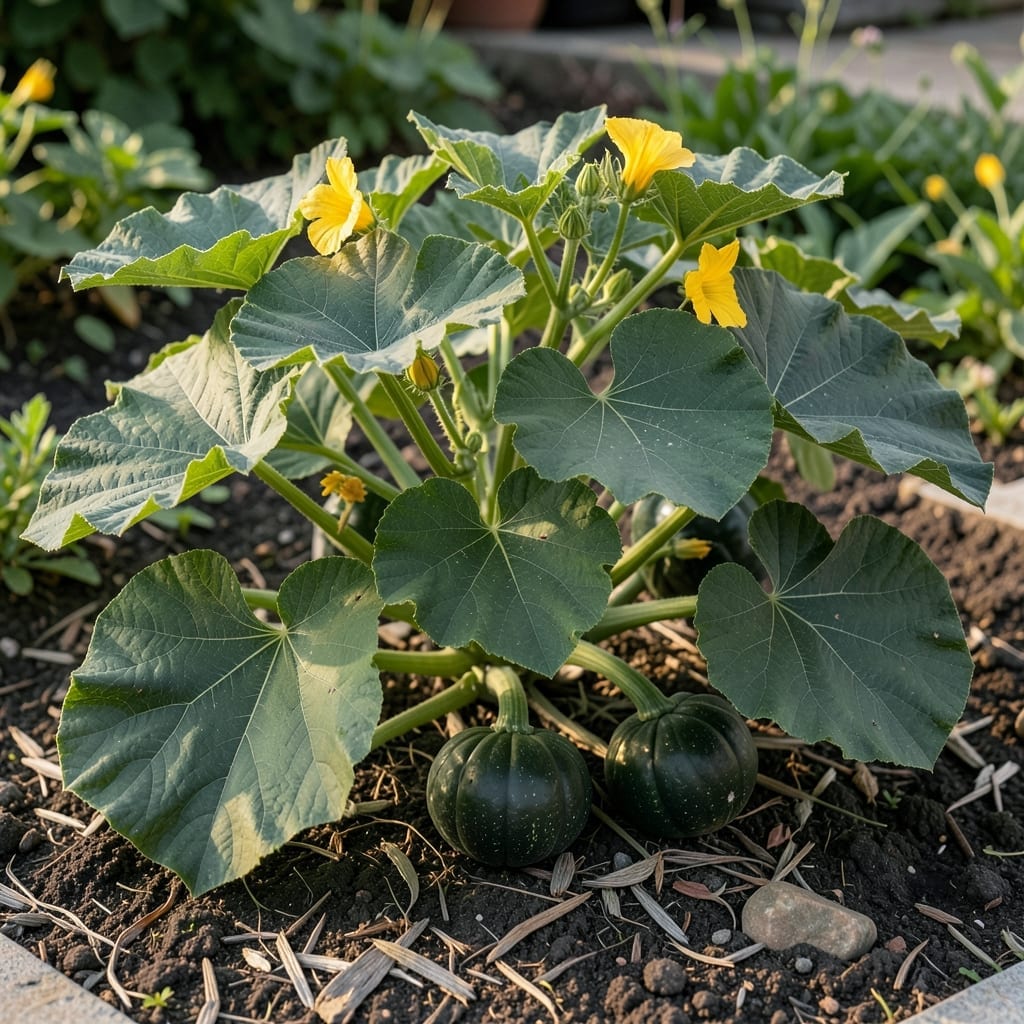
There’s nothing quite like the satisfaction of growing your own 🎃 Acorn Squash and harvesting it at the perfect moment. But how do you know when that moment arrives?
Understanding the timeline from planting to harvest is the key to enjoying the best flavor and texture. I’ll walk you through what to expect and how to plan accordingly.
From the first spring planting in zones like 6a to that exciting harvest in late summer, every stage matters. Let me share what I’ve learned about getting it right.
Discover how to track your Acorn Squash progress and ensure you’re picking at peak maturity. The difference it makes is truly remarkable.
When I plan my acorn squash crop, I always start by checking the days to maturity for each variety. Most types need between 75 to 100 days from seed to harvest, but this can shift based on climate and care.
The Table Ace variety typically matures in about 80 days, while Tay Belle can take up to 90 days. If you’re in a cooler region, expect to add 5-10 extra days to these timelines.
| Variety | Days to Maturity | Climate Notes |
|---|---|---|
| Table Ace | 80 days | Best in warm climates |
| Tay Belle | 90 days | Tolerates cooler temps |
| Golden Acorn | 85 days | Needs full sun |
| Early Acorn | 75 days | Fastest for short seasons |
I’ve found that soil temperature plays a huge role in hitting these maturity targets. 60°F soil is the minimum for germination, but 70°F or warmer speeds up growth significantly.
In my experience, consistent watering is key to preventing delays. I aim for 1-2 inches per week, especially during fruit development. Too little water can extend the timeline by 10-15 days.
Don’t forget that plant spacing affects maturity too. I give each plant 3-4 feet of space to ensure good air circulation and reduce disease risk that could slow growth.
For those in northern climates, starting seeds indoors 2-3 weeks before the last frost can help meet the days to maturity before cold weather hits.
I also track first frost dates carefully. Since acorn squash needs frost-free days to mature, I count backward from my area’s first frost to time planting perfectly.
Remember that variety selection is your first defense against a short growing season. Choosing early-maturing types like Early Acorn can mean the difference between harvest and disappointment.
In my garden journal, I note that mulching helps maintain soil warmth and moisture, often shaving a week off the total maturity time for acorn squash plants. 🌱
Knowing the days to maturity is just the start. I always check for physical signs that my acorn squash is ready, since weather and care can shift timelines slightly.
Most varieties reach maturity in 75 to 100 days, but I rely on the rind hardness test first. If I can’t puncture it with my fingernail, it’s likely ready.
I also check the weight and size. A mature acorn squash feels heavy for its size and the skin should not shine.
If the stem is still green or the rind is soft, I give it more time. Picking too early can lead to poor storage life and bland flavor.
For best results, I harvest before the first frost, as cold temperatures can damage the fruit. Store in a cool, dry place to extend shelf life.
Using these visual and tactile cues helps me confirm my squash is ready, even if the calendar says it’s time ☀️