
Beautiful Plants For Your Interior
Beautiful Plants For Your Interior
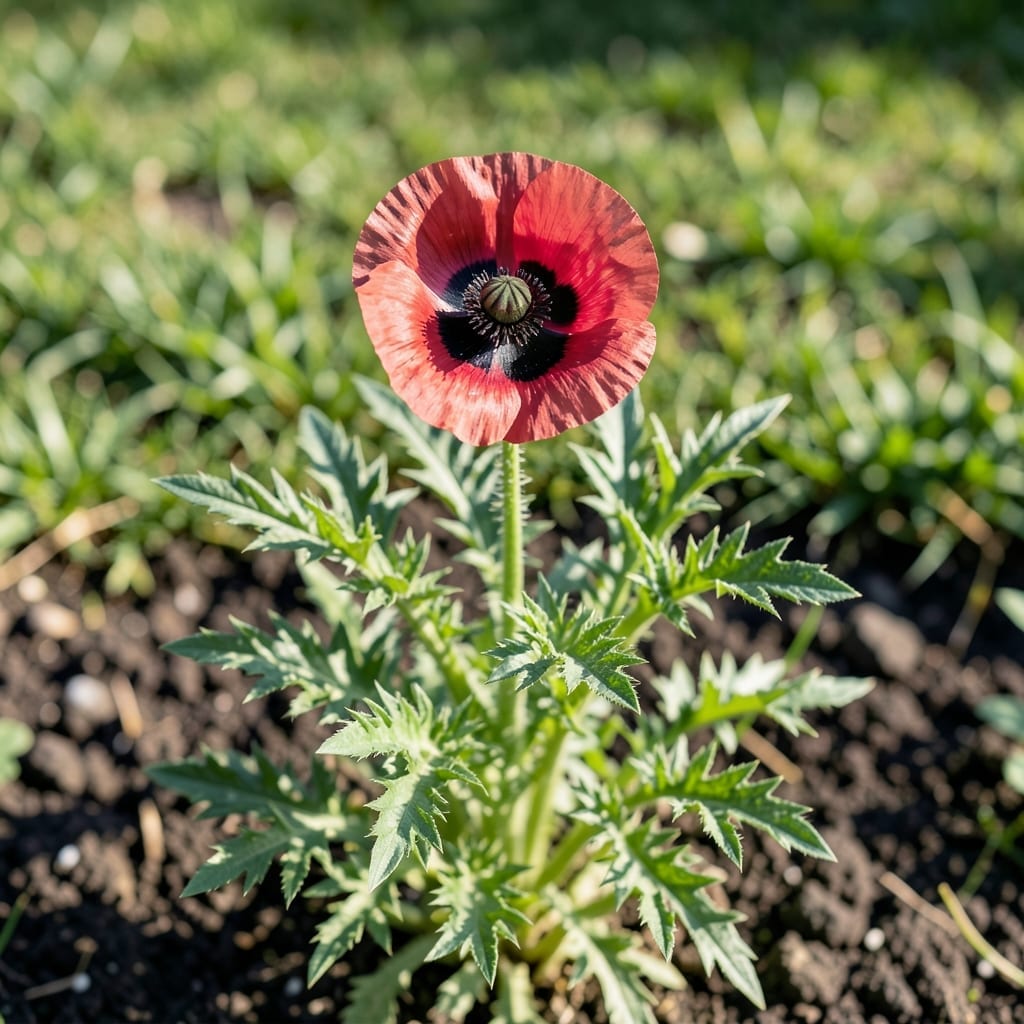
Those delicate poppy leaves can be tricky. I learned the hard way that some varieties pack surprising toxicity, while others just need the right care to thrive.
You’ll spot the difference between healthy growth and warning signs with a quick leaf check. The solution often starts with proper handling and knowing which types belong in your garden.
📚 In This Guide
Here’s how I safely manage and dispose of these plants to protect my garden and household.
Before handling, I always double-check that I’m dealing with the correct plant. Poppy leaves have a distinct lobed, deeply divided appearance with a slightly hairy texture. The stems are often covered in fine hairs, and the leaves grow in a basal rosette pattern close to the ground.
I use a gardening app or field guide to confirm the species, as many look-alike plants share similar leaf structures. This step prevents accidental mishandling of a non-toxic plant that might resemble poppies. Never assume—always verify first.
I wear long sleeves, gardening gloves, and safety glasses when working near these plants. The sap and plant material can irritate skin and eyes, and accidental contact with mucous membranes can cause more severe reactions. Even brief exposure can lead to discomfort.
I keep a pair of dedicated gardening gloves just for this task, storing them separately from my regular tools. This prevents cross-contamination with other plants or surfaces in my garden. After handling, I wash my hands thoroughly with soap and warm water.
When it’s time to remove the plants, I use a sharp trowel or pruners to cut the stems at the base, avoiding pulling the roots which might spread soil contamination. I place all plant material immediately into a sealed plastic bag to prevent any accidental contact or spread.
I never compost poppy plant material, as the toxins can persist and contaminate the compost. Instead, I dispose of the sealed bag in the trash, following local regulations for plant waste disposal. This ensures the material doesn’t end up in the wrong hands or places.
After removal, I clean my tools with soap and hot water, scrubbing them thoroughly to remove any sap or plant residue. This prevents accidental transfer to other plants or surfaces. I pay special attention to the blades and handles, as sap can be sticky and hard to remove.
For the work area, I use a damp cloth to wipe down any surfaces that might have come into contact with the plants. I avoid using a hose or pressure washer, as this can spread residue. Instead, I dispose of the cloth after cleaning to ensure no traces remain.
Poppies can self-seed prolifically, so I monitor the area for new growth over the next few weeks. I pull any new seedlings as soon as they appear, using the same protective gear and disposal methods. This prevents the plants from establishing a foothold in my garden.
I also check nearby areas, as seeds can travel on the wind or through animal activity. Early intervention is key—once the plants mature, they produce far more seeds, making control much more difficult. Consistency in monitoring keeps the garden safe and manageable.
Safety is the top priority when handling these plants, so here are my proven strategies.
Identification First: In Step 1, I can’t stress enough how crucial proper identification is. I once almost removed the wrong plant because I skipped verification. Use multiple sources—a gardening app plus a field guide—to confirm those lobed, deeply divided leaves and hairy stems before touching anything.
Gear Non-Negotiables: For Step 2, never cut corners on protective gear. I learned the hard way that regular gloves won’t cut it. Dedicate a separate pair of thick gardening gloves just for this task, and always pair them with long sleeves and safety glasses. The sap irritation isn’t worth the risk.
Disposal Discipline: Step 3’s sealed plastic bag method is critical. I’ve seen people try to be eco-friendly and compost these plants—don’t. The toxins persist, and you risk contaminating your entire compost system. Double-bag if you’re especially cautious, and always check local disposal regulations.
Cleaning Thoroughly: When you get to Step 4, don’t rush the cleaning process. That sap is sticky and persistent. I scrub my tools with soap and hot water for at least a full minute, paying extra attention to crevices in pruners. For surfaces, the damp cloth method works, but I go through two or three cloths to be absolutely sure.
Yes, poppy leaves contain alkaloids like morphine and codeine, making them toxic if ingested. Avoid handling them without gloves, especially if you have pets or children.
Absolutely! Just place them in a controlled area away from kids and pets. Wear gloves when pruning or harvesting to prevent skin absorption of toxins.
Contact your vet or a pet poison hotline immediately. Symptoms like vomiting, lethargy, or confusion require urgent care.
Yes! Consider marigolds, nasturtiums, or sunflowers for colorful, pet-friendly gardens. These are safe and equally beautiful.
Seal them in a bag and discard them in the trash. Avoid composting to prevent accidental ingestion by animals.