
Beautiful Plants For Your Interior
Beautiful Plants For Your Interior
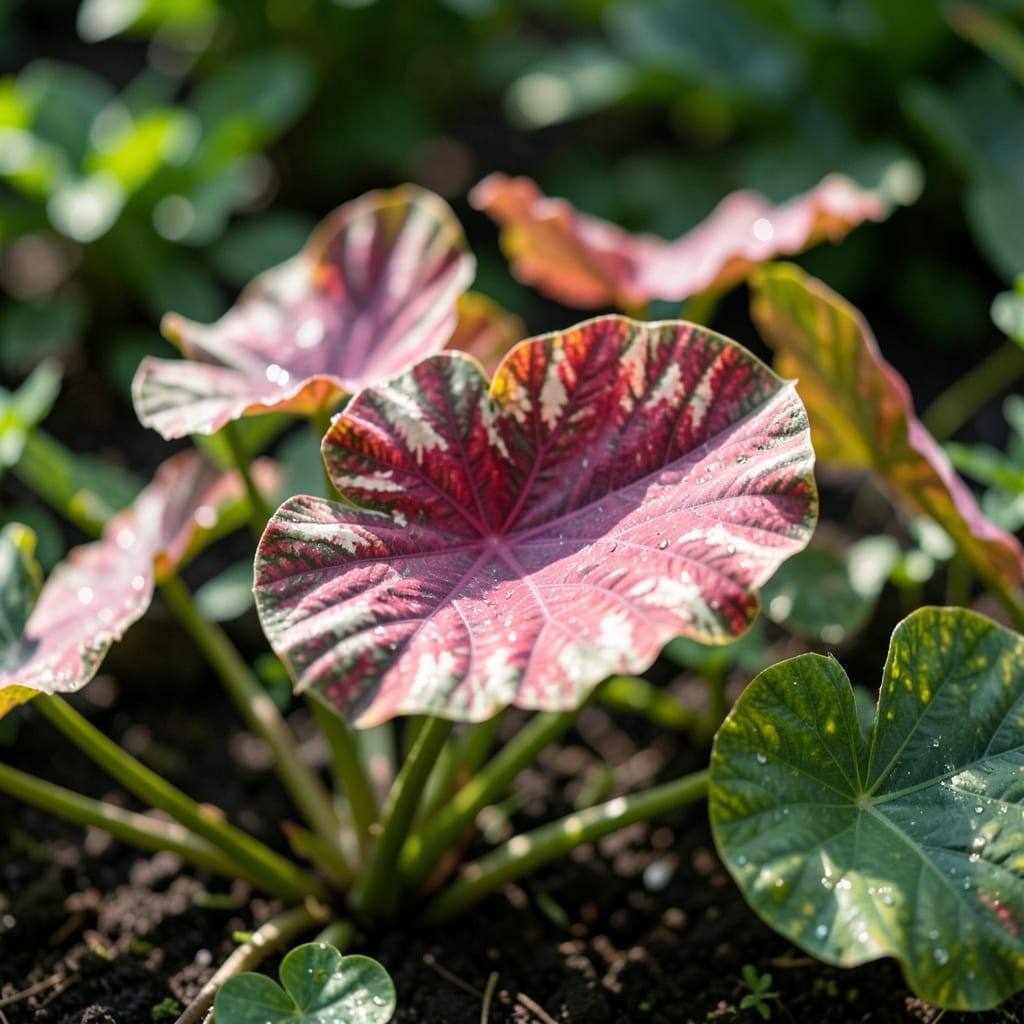
Caladiums are generally considered deer resistant due to their toxic calcium oxalate crystals, which deter most deer from eating them. However, hungry deer may still nibble in food-scarce areas.
I’ve seen these plants thrive in gardens where deer roam freely because the calcium oxalate causes irritation in their mouths. The vibrant foliage acts as a natural deterrent, though extreme hunger can override this protection. 🌟
In my experience, pairing them with other deer-resistant plants creates an even stronger barrier in your landscape.
💡 In This Article
Caladiums produce needle-shaped calcium oxalate crystals called raphides, stored in specialized cells. When deer bite the leaves, these crystals pierce mouth tissues, releasing oxalic acid. The combination creates immediate burning pain and bitter taste, triggering a strong avoidance response in most deer. 🔥
This chemical defense system is highly effective—studies show deer typically reject plants with 5-10 mg/g of calcium oxalate. Caladiums often exceed this threshold, with some varieties containing up to 15 mg/g in their leaves. The crystals are particularly concentrated in young, tender growth where deer are most likely to feed.
What makes this deterrent so reliable is its immediate feedback. Unlike some bitter-tasting plants that deer might sample repeatedly, the physical irritation from caladiums creates an instant negative association. Wildlife biologists note deer will often spit out the foliage and avoid the plant entirely after just one unpleasant experience. ⚡
The effectiveness varies by deer population density and food availability. In suburban areas with abundant food sources, deer may completely ignore caladiums. However, during drought or winter when natural forage is scarce, even the most deer-resistant plants might see some nibbling—though caladiums typically sustain far less damage than non-resistant species. ✨
Garden observations confirm this pattern: caladium beds in deer-prone areas often remain untouched while neighboring hostas or daylilies get devoured. The plants’ arrowhead-shaped leaves and vibrant colors actually help deer identify and remember them as undesirable food sources, reinforcing the natural deterrent over time. 💫
Deer avoid them because of calcium oxalate crystals in the leaves. These cause immediate mouth irritation and a bitter taste, creating a strong negative association after just one bite.
Not always. During food shortages or extreme hunger, deer may nibble them despite the natural deterrent. They’ll typically cause far less damage than to non-resistant plants though.
Use 8-foot fencing or plant them near your home. Surrounding them with strongly scented herbs like rosemary also helps deter deer effectively.
Yes, commercial repellents with putrescent eggs or garlic are effective. Apply every 2-4 weeks and rotate formulas to prevent deer from getting used to them.